

Understanding what roof inspectors examine during their evaluation can save you thousands in unexpected repairs. Professional roof inspectors check over 20 different components during a thorough inspection, from obvious elements like shingles to hidden structural issues that only trained eyes can spot.
A comprehensive roof inspection involves examining both exterior and interior components of your roofing system. Inspectors look for damage patterns, wear indicators, and potential failure points that could lead to leaks or structural problems. This process typically takes 45 minutes to two hours depending on your roof’s size and complexity.
Quick fact: Annual roof inspections can extend your roof’s lifespan by 5 to 10 years and help you catch small problems before they become expensive repairs costing thousands of dollars.
Essential roofing components inspectors examine
Professional inspectors follow a systematic approach when evaluating your roof. They start with the most critical components that directly impact your home’s protection from weather elements.
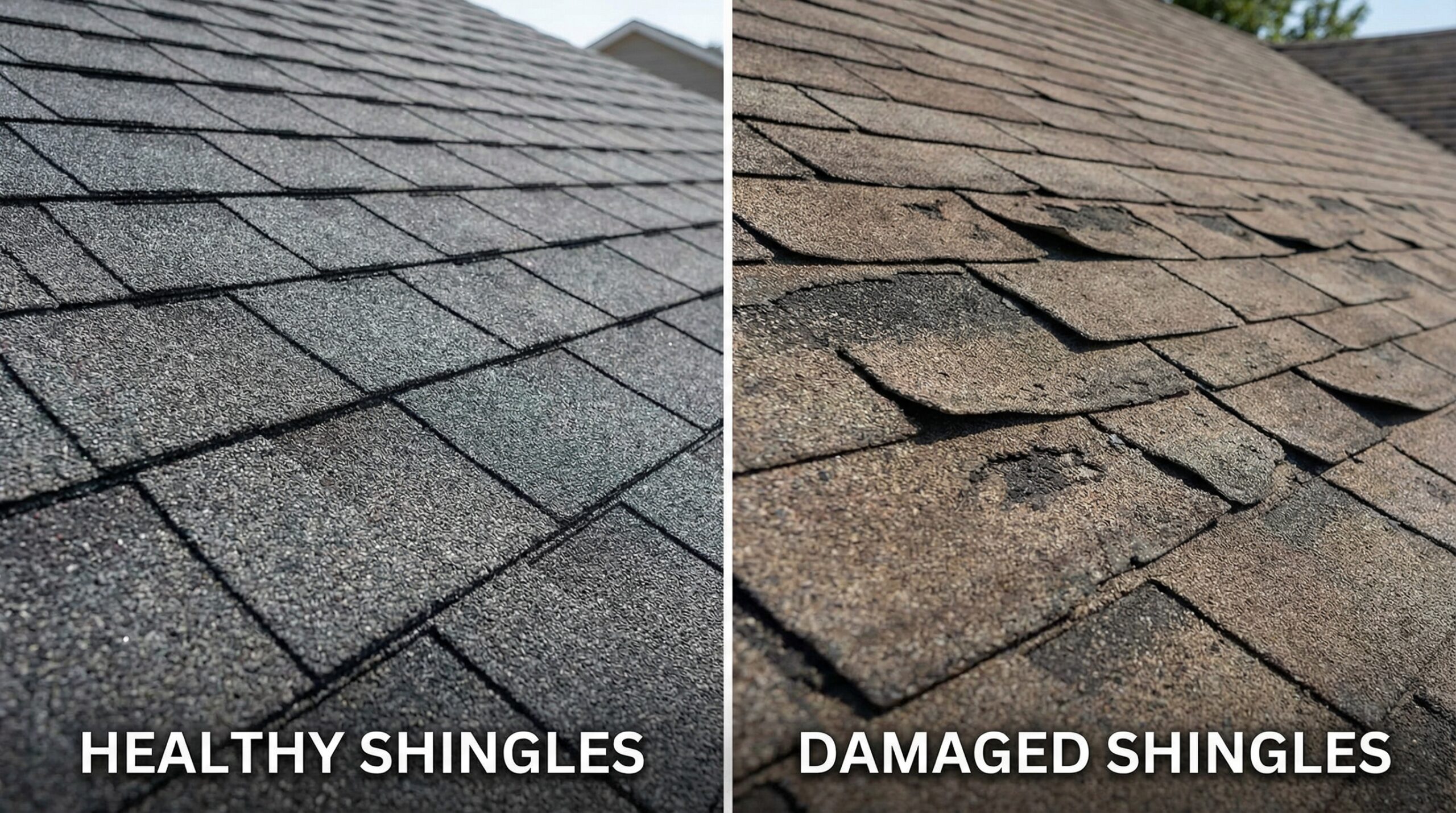
Shingles and roofing materials receive the closest scrutiny during any inspection. Inspectors look for curled, cracked, or missing shingles that compromise your roof’s waterproof barrier. They also check for excessive granule loss on asphalt shingles, which appears as dark spots and indicates aging materials. Wind damage often creates patterns of lifted or displaced shingles that trained professionals can identify. Understanding how many shingles are in a bundle helps inspectors assess the scope of replacement needs.
Flashing systems around chimneys, vents, and roof penetrations are examined carefully since these areas cause most roof leaks. Inspectors check for rust, corrosion, gaps, or lifted edges in the metal flashing. They also examine the caulk and sealant around these critical joints for cracks or deterioration.
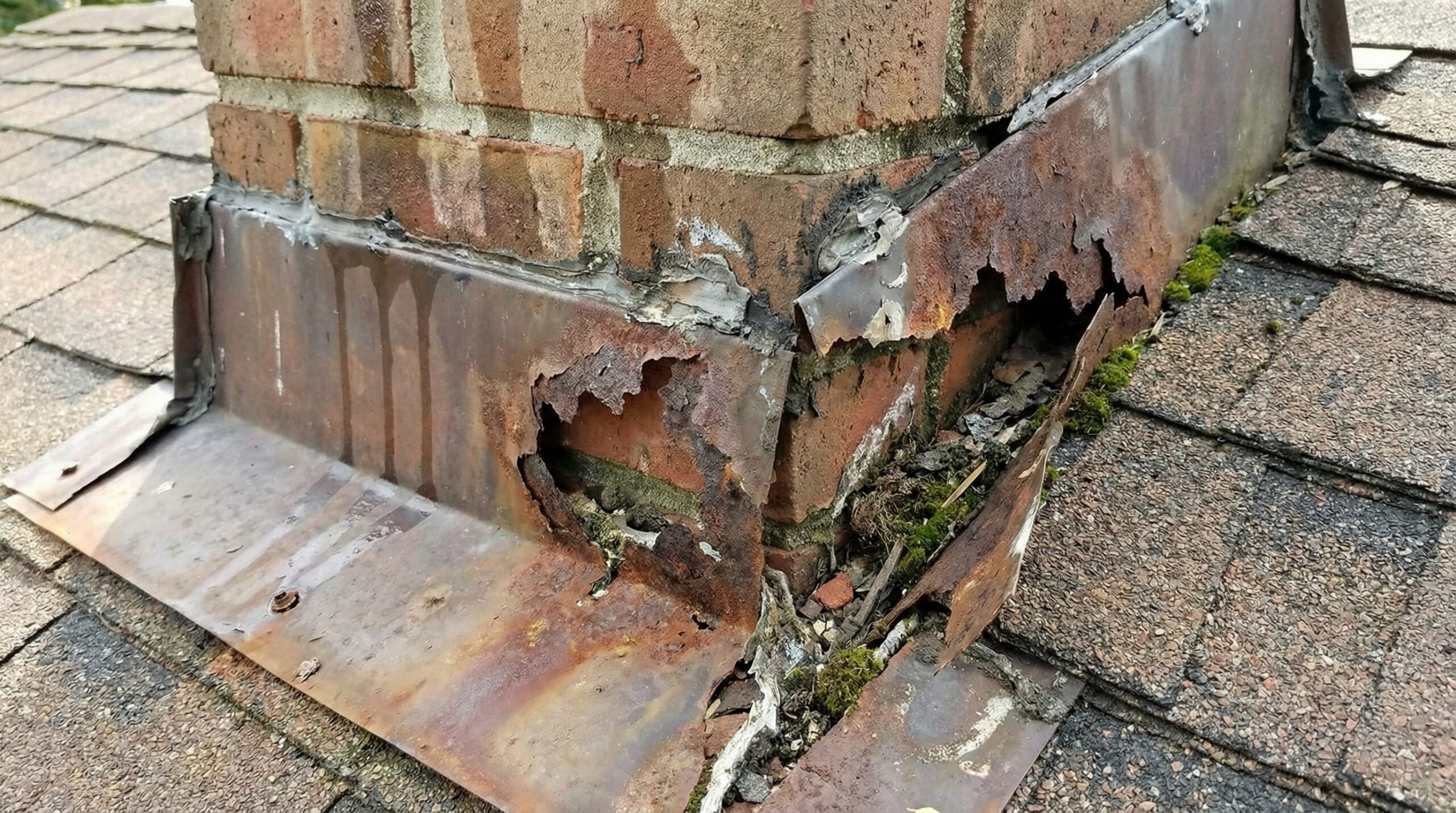
Gutters and downspouts tell inspectors about your roof’s overall condition. Excessive shingle granules in gutters indicate aging roofing materials, while standing water suggests drainage problems. Inspectors check for proper gutter attachment, rust, holes, and adequate water flow through downspouts.
Structural integrity and safety concerns
Beyond surface materials, inspectors evaluate your roof’s structural soundness. This examination reveals problems that could threaten your home’s safety and require immediate attention.
Roof deck evaluation involves checking for sagging areas, soft spots, or unevenness that indicates structural damage. Inspectors use visual cues and sometimes physical testing to identify compromised decking that needs reinforcement or replacement. Sagging often results from water damage, excessive snow loads, or inadequate structural support.
Attic inspection provides crucial insights into your roof’s condition from below. Inspectors examine rafters, joists, and roof decking for signs of water damage, wood rot, or pest infestations. They also check insulation for moisture retention and mold growth, which can indicate ongoing leaks.
Important note: Inspectors look for daylight visible through roof boards, which indicates gaps that allow water infiltration and energy loss.
Ventilation systems receive attention because proper airflow prevents moisture buildup and ice dam formation. Inspectors verify that soffit vents, ridge vents, and exhaust fans function correctly and remain unobstructed by debris or pest nests.
Common damage patterns and warning signs
Experienced inspectors recognize specific damage patterns that indicate underlying problems. Understanding these patterns helps them prioritize repairs and predict future issues.
Weather-related damage shows distinct characteristics depending on the cause. Hail damage creates circular bruises on shingles and dents in metal components. Wind damage typically lifts shingle edges and can remove entire sections. Ice damage appears as cracked or split materials along roof edges where ice dams form. Temperature also plays a crucial role, as certain conditions are too cold to install a roof properly.
Age-related deterioration follows predictable patterns that inspectors can assess. Asphalt shingles show granule loss, brittleness, and curling as they age beyond their expected lifespan. Metal roofing develops rust spots and loose fasteners over time. Wood shingles split, warp, and develop moss growth in humid climates. Knowing how long a roof lasts helps homeowners anticipate when replacement may be necessary.
Organic growth problems like moss, algae, and lichen indicate moisture retention issues. Inspectors note these growths because they trap water against roofing materials and accelerate deterioration. They also check for leaf accumulation and debris that blocks proper drainage.
Professional inspection benefits and timing
Regular professional inspections provide value beyond simple damage detection. They help you maintain your roof proactively and avoid emergency repairs during severe weather.
Insurance compliance often requires documented annual inspections. Many homeowner policies include maintenance requirements that professional inspections help you meet. Having inspection records can strengthen insurance claims and demonstrate proper property care.
Seasonal timing affects inspection effectiveness and safety. Spring inspections reveal winter damage from ice, snow, and freeze-thaw cycles. Fall inspections prepare your roof for upcoming severe weather and identify repairs needed before winter arrives. Scheduling a roof inspection in winter offers unique benefits for proactive homeowners.
| Inspection Timing | Best For | Focus Areas |
|---|---|---|
| Spring | Post-winter damage assessment | Ice damage, loose shingles, gutter problems |
| Fall | Winter preparation | Structural integrity, ventilation, weatherproofing |
| Post-storm | Insurance claims | Hail damage, wind damage, emergency repairs |
Cost prevention makes professional inspections worthwhile investments. A missing shingle costs around $50 to replace, but water damage from that missing shingle can cost thousands in interior repairs. Early detection through regular inspections prevents small problems from becoming major expenses. Understanding when to replace your roof with proper maintenance tips can save you significant money over time.
Professional roof inspectors bring trained eyes, specialized tools, and safety equipment that most homeowners lack. They can access steep or dangerous areas safely and identify subtle problems that untrained observers might miss. When hiring a professional, it’s important to ask the right questions to your roofing contractor to ensure quality service. At Peak and Valley Roofing, our certified inspectors provide detailed reports with photos and prioritized repair recommendations to help you maintain your roof effectively.
Understanding what inspectors look for helps you appreciate the value of professional evaluations and make informed decisions about your roof’s maintenance needs.