

Choosing the right roofing material can feel overwhelming when you’re looking at options that range from $8,000 to $30,000 for an average home. The key is understanding which materials offer the best value for your specific needs, climate, and budget.
Based on recent industry data, slate roofing leads in longevity with lifespans exceeding 100 years, while asphalt shingles remain the most popular choice for 75% of American homes due to their affordability and versatility. Metal roofing has gained significant traction, offering 50+ year lifespans with excellent energy efficiency.
Quick fact: The average homeowner will replace their roof 2-3 times during their lifetime with standard asphalt shingles, but only once with premium materials like metal or slate.
This guide breaks down the top roofing materials for 2026, helping you understand costs, durability, and which option works best for your situation.
Top roofing materials ranked by longevity
When evaluating roofing materials, longevity directly impacts your long-term investment. According to roof-installation.com, here’s how materials stack up by lifespan:
Slate roofing tops the list with 75-200 years of protection. This natural stone material costs $15-30 per square foot but delivers unmatched durability and weather resistance. Many slate roofs installed over a century ago still protect homes today. If you’re considering slate for your Rhode Island home, learn more about real slate vs synthetic slate options.
Clay and concrete tiles follow closely, lasting 50-100 years. Clay tiles can exceed 100 years in ideal conditions, while concrete tiles typically reach 50-75 years. Both materials resist fire, rot, and insect damage while gaining strength over time.
Metal roofing offers 40-70+ years of service life, with copper lasting longest and steel providing excellent value. These materials excel in extreme weather conditions and offer superior energy efficiency compared to traditional options. For detailed pricing information, check out our comprehensive metal roofing cost guide.
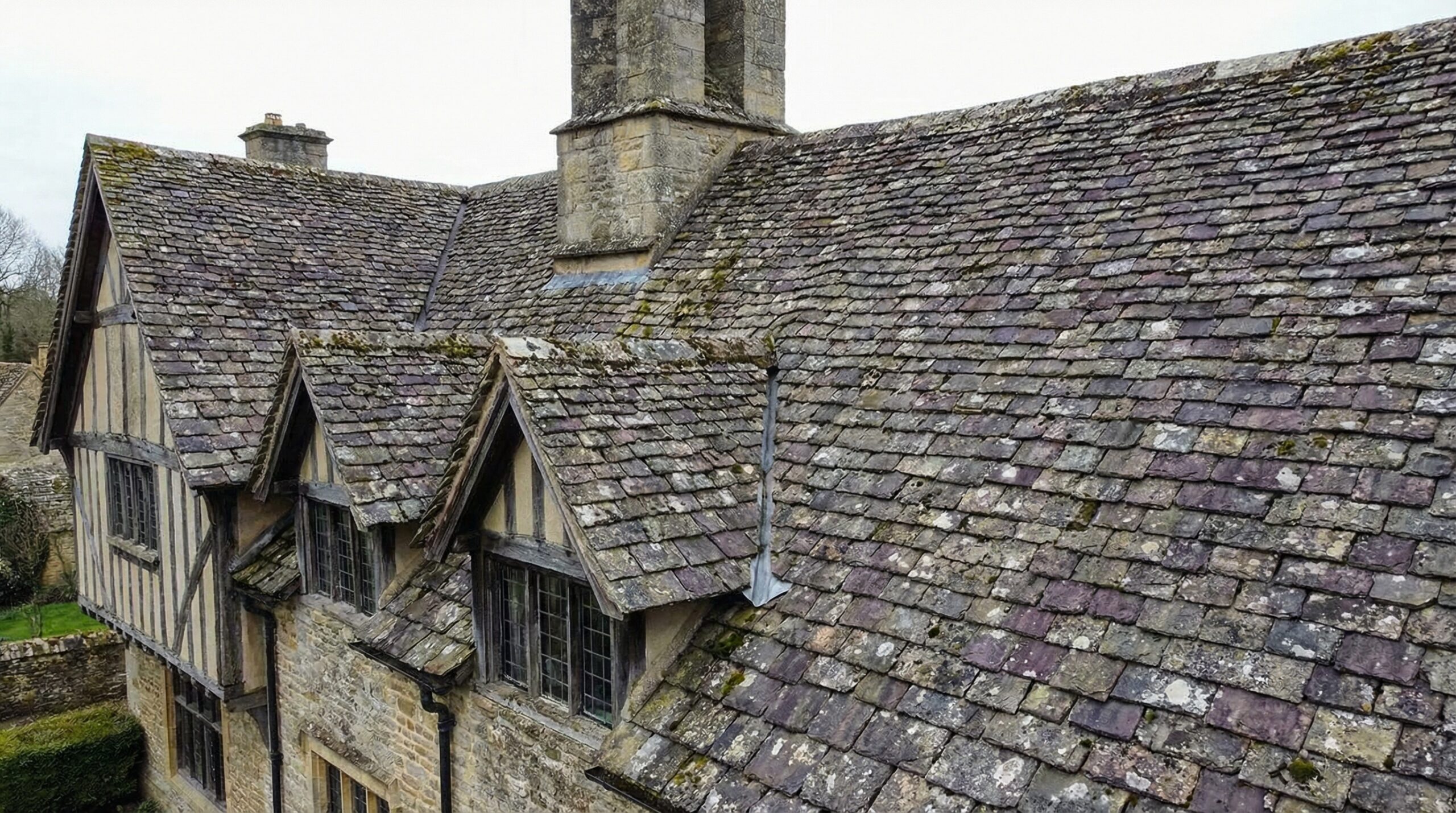
Wood shakes and architectural asphalt shingles provide 20-50 and 25-30 years respectively, making them mid-range options for homeowners balancing cost and durability.
Cost comparison and value analysis
Understanding both upfront and lifetime costs helps you make smarter roofing decisions. Here’s what you can expect for a typical 2,000 square foot roof:
| Material | Initial Cost | Lifespan | Cost Per Year |
|---|---|---|---|
| Asphalt Shingles | $8,927 | 20-25 years | $357-446 |
| Metal Roofing | $17,522 | 50+ years | Under $350 |
| Clay Tiles | $29,417 | 75+ years | $392 |
| Slate | $29,564 | 100+ years | Under $300 |
While slate and metal roofing require higher initial investments, their exceptional longevity often makes them more cost-effective over time. Asphalt shingles appear affordable upfront but may require 2-3 replacements during the same period one premium roof would last.
Money-saving tip: Calculate the total cost of ownership over 30-50 years rather than just comparing initial installation costs to see the true value of each material.
Consider additional factors like energy savings with reflective metal roofs, which can reduce cooling costs by 10-25% in hot climates, and increased home value with premium materials like slate or clay tiles. When budgeting for your project, make sure you understand what should be on a detailed roofing estimate to avoid surprises.
Climate considerations for material selection
Your local climate significantly impacts which roofing materials will perform best and last longest. Different materials excel in specific weather conditions.
For areas with extreme temperature fluctuations, metal roofing handles expansion and contraction better than rigid materials. The thermal movement doesn’t cause cracking or deterioration that affects other options.
High-wind regions benefit from heavier materials like clay tiles or slate, which resist uplift forces. According to modernize.com, these materials provide superior wind resistance compared to lightweight options.
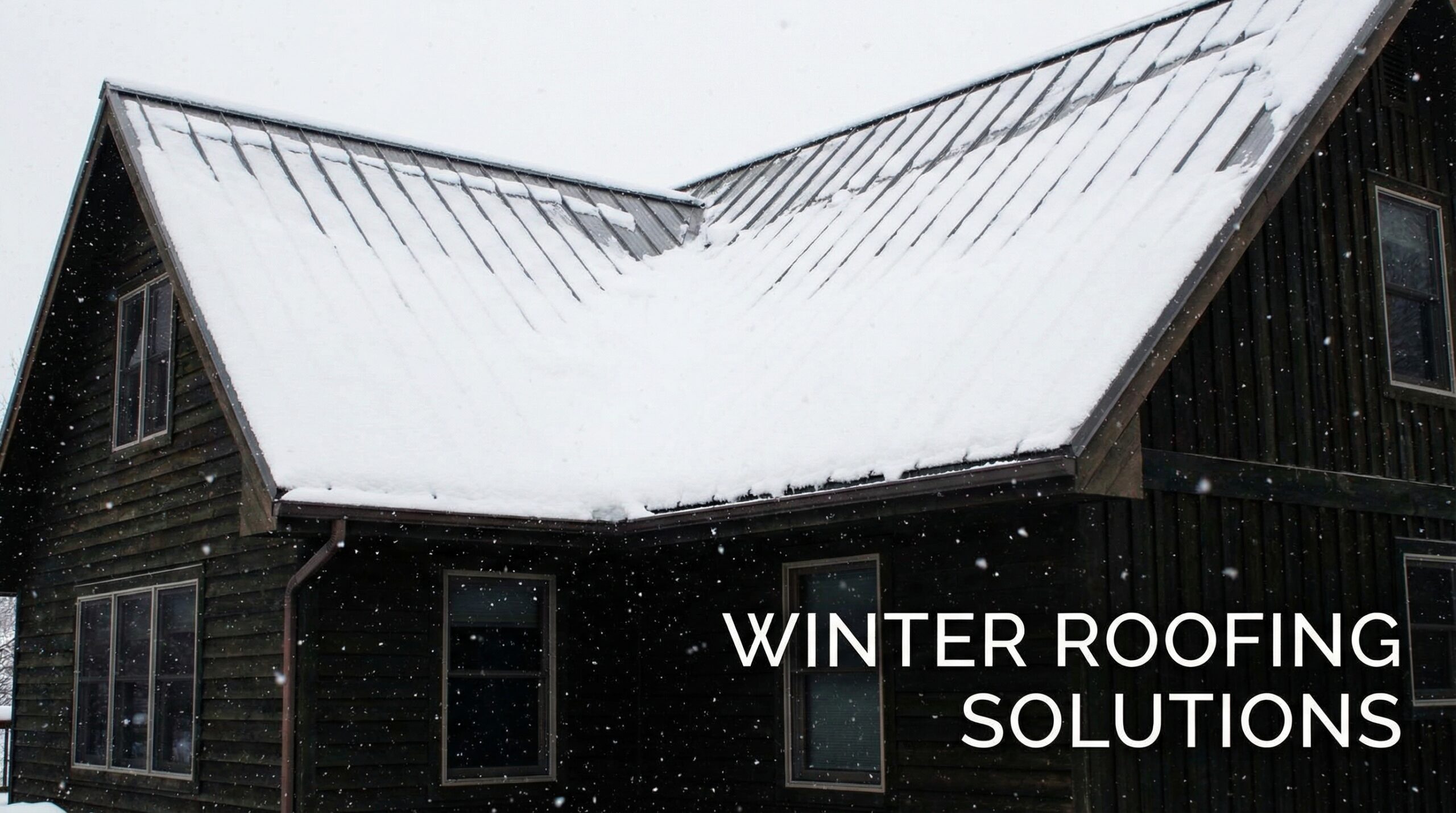
Regions with heavy snow loads require materials that can handle significant weight. Metal roofing sheds snow effectively, reducing structural stress, while slate and clay tiles can support substantial loads when properly installed. Understanding how roof pitch affects material choices is crucial for proper performance.
Hot, sunny climates favor reflective materials that reduce heat absorption. Light-colored metal roofs and clay tiles help maintain cooler indoor temperatures and reduce energy costs.
Areas prone to wildfires should prioritize fire-resistant materials. Slate, clay, concrete, and metal roofing all offer excellent fire protection, while wood shakes require special treatments to meet safety standards. For homes in vulnerable areas, explore impact-resistant roofing materials for added protection.
Making your final roofing decision
Start by evaluating your home’s structural capacity, as heavier materials like slate or clay tiles may require reinforcement. Consult with a structural engineer if you’re considering upgrading from lightweight asphalt to premium materials. Understanding the parts of a roof helps you communicate effectively with contractors.
Consider your long-term ownership plans. If you’re planning to sell within 10-15 years, mid-range options like architectural asphalt shingles or entry-level metal roofing might provide better return on investment than premium materials.
Factor in maintenance requirements and your comfort level with upkeep. Metal and slate require minimal maintenance, while wood shakes need regular treatment and inspection. Clay tiles are low-maintenance but individual tiles may need replacement if damaged.
Professional insight: The quality of installation often matters more than the material itself. Even premium materials will underperform with poor installation, while properly installed mid-range materials can exceed their expected lifespan.
Review local building codes and HOA requirements before making your final decision. Some areas restrict certain materials due to fire risk, weight limitations, or aesthetic guidelines. To understand the true differences in performance, read about why not all roofing materials are created equal.
Get quotes from multiple contractors experienced with your chosen material. Installation expertise varies significantly between materials, and choosing the right contractor is crucial for long-term performance.
The best roofing material for your home balances durability, cost, climate suitability, and your personal preferences. Whether you choose affordable asphalt shingles or invest in century-lasting slate, proper installation and regular maintenance will maximize your roof’s lifespan and protect your investment.
Peak and Valley Roofing provides expert installation and maintenance for all roofing materials, helping you make the right choice for your home’s specific needs and ensuring professional installation that maximizes your roof’s performance and longevity.