

The best time to replace a roof in Northeast Ohio is late summer through early fall, roughly August through October, when temperatures allow shingles to seal properly and contractor scheduling opens back up after the summer rush.
Every fall, the same pattern plays out across Cuyahoga, Lorain, and Lake County neighborhoods. A storm rolls through, a homeowner discovers a leak in the attic, and suddenly they’re one of dozens of homeowners calling roofers at once, all competing for the same shrinking pool of crews before winter sets in.
The homeowners who get ahead of it land better contractor availability, more predictable timelines, and materials that cure the way manufacturers intend, since timing a roof replacement around Northeast Ohio’s weather affects performance for decades, not just this season.
Why Roofing Weather Timing Matters in Ohio
Asphalt shingles rely on heat to activate their adhesive sealant strips. Installers generally need daytime temperatures in the 40s or above for shingles to bond correctly, and consistently warmer weather speeds that process along.
Ohio’s freeze-thaw cycles add another layer of complexity. Installing on a roof deck that’s damp from morning frost or recent snowmelt can trap moisture under new materials, creating problems that surface years later. This is one reason roofing weather timing carries more weight here than in milder climates.
The Roof Replacement Season in Ohio
Spring (March–May): Improving but Unpredictable
Spring brings warmer days, but Northeast Ohio’s spring weather swings hard between sunny 60-degree afternoons and cold, wet fronts off Lake Erie. Crews can work through most of spring, though rain delays are common in March and April.
By May, conditions typically stabilize enough for consistent scheduling, making late spring a reasonable window for homeowners who want to get ahead of summer demand.
Summer (June–August): Peak Demand, Peak Pricing
Summer offers the most reliable weather for installation, which is exactly why it’s the busiest season for roofing companies. Booking calendars fill up weeks or months in advance, and material costs can run higher during peak demand.
Homeowners who need summer scheduling should reach out well before the season starts. Waiting until July to call for an August install often means a longer wait than expected, though the physical installation itself usually only takes 1 to 3 days once a crew is on-site.
Fall (September–November): The Best Spot
Early-to-mid fall is widely considered the best time to replace a roof in Ohio. Temperatures stay warm enough for proper shingle sealing, humidity drops, and the frantic summer booking rush has usually eased.
This window also lets homeowners get a new roof in place before winter storms and heavy snow loads arrive, which matters most for anyone whose current roof is already showing wear.
Winter (December–February): Limited but Not Impossible
Winter roofing is possible in Ohio, but it comes with real constraints. Cold temperatures slow shingle sealing, snow and ice create safety hazards for crews, and many manufacturers set minimum temperature thresholds for warranty-eligible installation.
Winter work is usually reserved for emergency repairs and storm damage rather than planned full replacements, though some contractors offer off-season scheduling advantages for homeowners who can be flexible.
Plan Ahead, Don’t Wait for a Failure
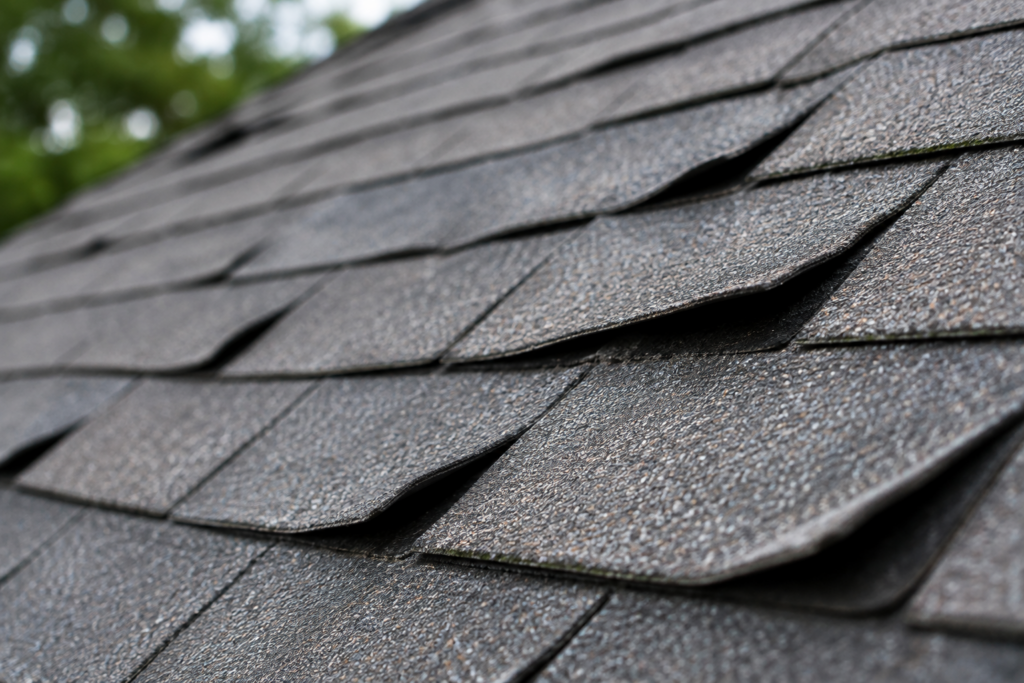
Roofs rarely fail without warning. Granule loss, curling shingles, and small leaks are usually visible for months, sometimes years, before a roof reaches the point of emergency replacement. Watching for common signs it’s time for a new roof gives homeowners a head start on choosing their season instead of scrambling.
Homeowners who schedule a replacement based on those early signs, rather than waiting for a leak to force the timeline, get to choose their season, compare contractor quotes without time pressure, and avoid the inflated pricing that comes with emergency service calls. A new roof also does more than protect the home. It adds measurable value at resale, which makes proactive timing a financial decision as much as a maintenance one.
Get a Free Roof Inspection to find out where your current roof stands and how much runway you have before replacement becomes urgent.
When to Reroof in Cleveland: Local Factors to Weigh
Cleveland and the surrounding Lake Erie shoreline communities deal with lake-effect snow, higher humidity, and stronger seasonal wind patterns than inland parts of the state. These conditions shorten the practical installation window compared to other regions of Ohio.
Homes closer to the lakefront in areas like Rocky River, Westlake, and Avon should generally aim for the late summer through early fall window to avoid installing right before the heaviest lake-effect snow arrives.
How to Choose Your Replacement Timeline
A few practical factors help narrow down the right season for an individual project:
- Current roof condition: Active leaks or widespread shingle failure shouldn’t wait for an “ideal” season.
- Contractor availability: Booking two to three months ahead of the desired season protects against scheduling gaps.
- Material lead times: Specialty roofing materials like standing seam metal or slate-style shingles may require longer ordering windows.
- Insurance timelines: Storm-damage claims often move on their own schedule, separate from planned replacements, so it helps to understand how to get insurance to cover a roof replacement before that clock starts.
A full roof replacement guide for Ohio homeowners covers the process from inspection through final walkthrough for anyone weighing the decision.
Book a Free Consultation to map out a replacement timeline that fits your roof’s condition and the season ahead.
FAQ
What is the cheapest time of year to replace a roof in Ohio?
Late fall and winter tend to offer lower pricing due to reduced demand, though weather constraints limit how much work can actually be completed during those months.
Can you replace a roof in Ohio during winter?
Yes, but cold temperatures slow shingle sealing and many manufacturers set minimum installation temperatures for warranty coverage. Winter work is typically limited to repairs and emergency replacements.
How far in advance should I schedule a roof replacement?
For summer and early fall installation, scheduling two to three months ahead is a reasonable buffer against a contractor’s backlog.
Does roofing season affect material pricing?
Yes. Demand-driven pricing tends to peak during summer months, while material costs can ease slightly during slower seasons.