

Northeast Ohio’s historic homes tell stories through their architecture, and their roofs are often the most defining feature. Whether you own a stately Century Home, a Tudor Revival, or a Craftsman bungalow, your roof requires special attention that balances historical accuracy with modern protection.
Historic roof restoration involves more than replacing shingles. You need to understand your home’s original materials, work within preservation guidelines, and choose contractors who appreciate the craftsmanship of bygone eras. The process typically takes 2-4 weeks and can extend your roof’s life by 50-100 years when done correctly.
Quick fact: According to the National Park Service, properly restored wooden shingle roofs can last 15-60 years, while slate roofs often exceed 100 years with appropriate maintenance.
This guide walks you through the essential steps to restore your historic roof while preserving its character and ensuring long-term protection for your investment.
Understanding your roof’s historical significance
Before starting any restoration work, you need to research your home’s original roofing materials and architectural style. Historic preservation guidelines emphasize matching original materials whenever possible to maintain architectural integrity.
Start by examining old photographs, building permits, or architectural drawings from your local historical society. Look for details like shingle patterns, roof pitch, and decorative elements that define your home’s style. Many Northeast Ohio homes built before 1920 featured materials like wooden shingles, slate, or clay tiles that reflected regional building traditions.
The National Park Service provides detailed guidance on identifying original roofing materials. Their preservation briefs explain how different materials were installed historically and what details matter most for authentic restoration. Understanding these specifics helps you make informed decisions about replacement materials and installation methods, similar to the considerations outlined in our guide on historic home roof restoration.
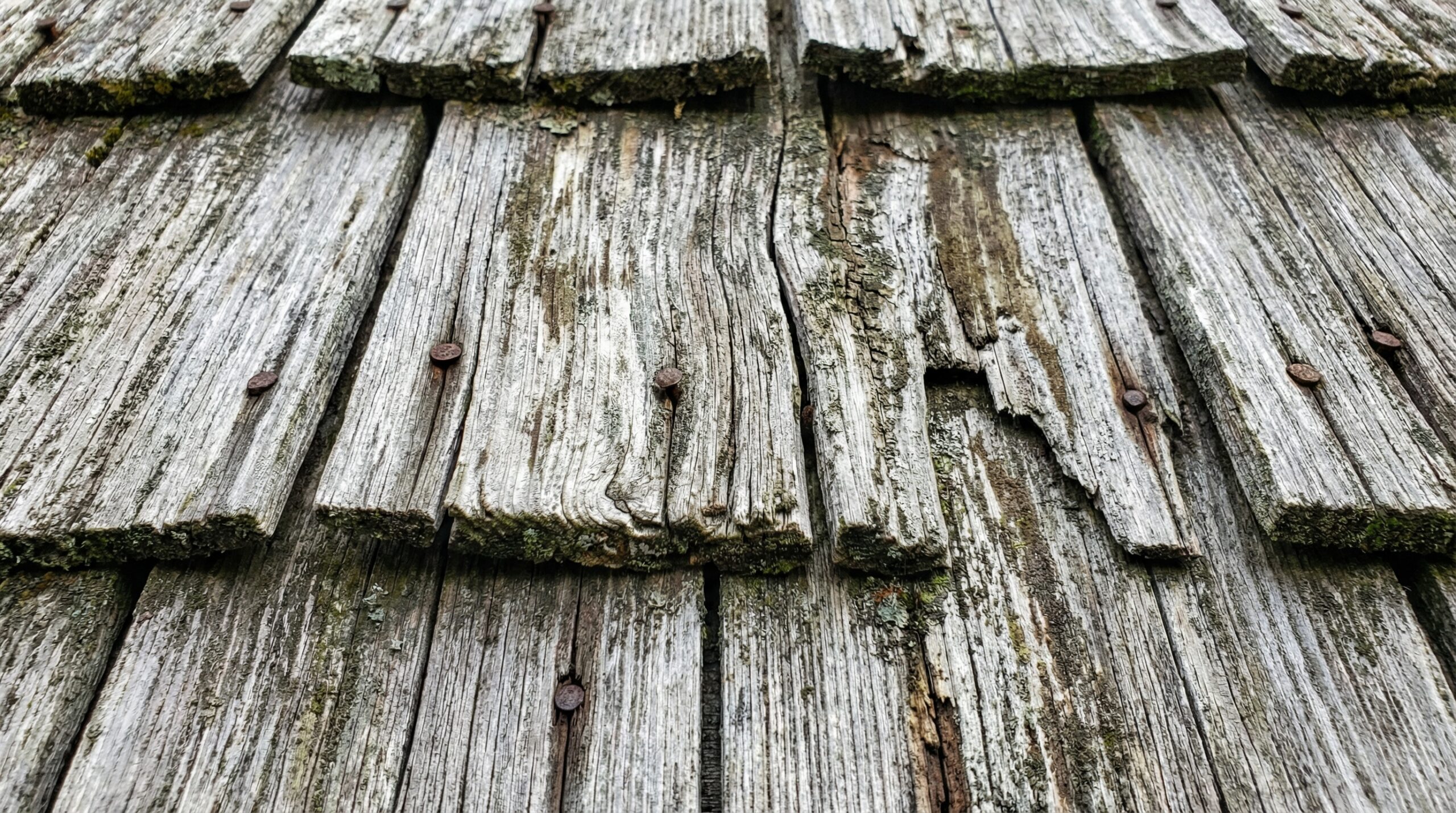
Document your current roof’s condition with photographs from multiple angles. Note any unique features like decorative ridge caps, unusual shingle patterns, or custom metalwork. This documentation becomes crucial when working with contractors and preservation officials.
Selecting appropriate materials for historic authenticity
Choosing the right materials balances historical accuracy with practical considerations like cost, availability, and local climate conditions. Modern roofing options can replicate historic appearances while offering improved durability and weather resistance against severe Ohio winters.
Slate remains the gold standard for many historic homes, offering unmatched longevity and authentic appearance. Welsh slate, commonly used in 19th-century construction, can still be sourced, though at premium prices. Domestic slate from Vermont or Virginia provides similar aesthetics at lower costs.
Wooden shingles require careful selection of species and cutting methods. Cedar shingles cut with traditional techniques create the irregular textures that characterize historic roofs. Avoid machine-cut shingles that lack the subtle variations of hand-split materials. Understanding how to clean roof shingles properly is essential for maintaining their appearance and longevity.
Important consideration: Clay and concrete tiles work best for specific historic styles but require structural assessment due to their weight, which can exceed 900 pounds per square, especially when combined with heavy lake-effect snow loads.
For budget-conscious projects, high-quality architectural asphalt shingles can mimic slate or wood textures convincingly. Look for products specifically designed to replicate historic materials, with varied colors and shadow lines that create visual depth.
Working with preservation requirements and permits
Most historic districts in Northeast Ohio require approval before beginning roof work. The process typically involves submitting detailed plans, material samples, and photographs to your local historic preservation commission or architectural review board.
Contact your municipal building department early in the planning process. They can explain specific requirements for your area and connect you with the appropriate preservation officials. Some communities have streamlined approval processes for routine maintenance, while others require detailed review for any visible changes.
Prepare a comprehensive submission package including current roof photos, proposed materials with manufacturer specifications, and installation details. Include information about your home’s construction date and architectural style. Clear documentation speeds the approval process and demonstrates your commitment to appropriate restoration.
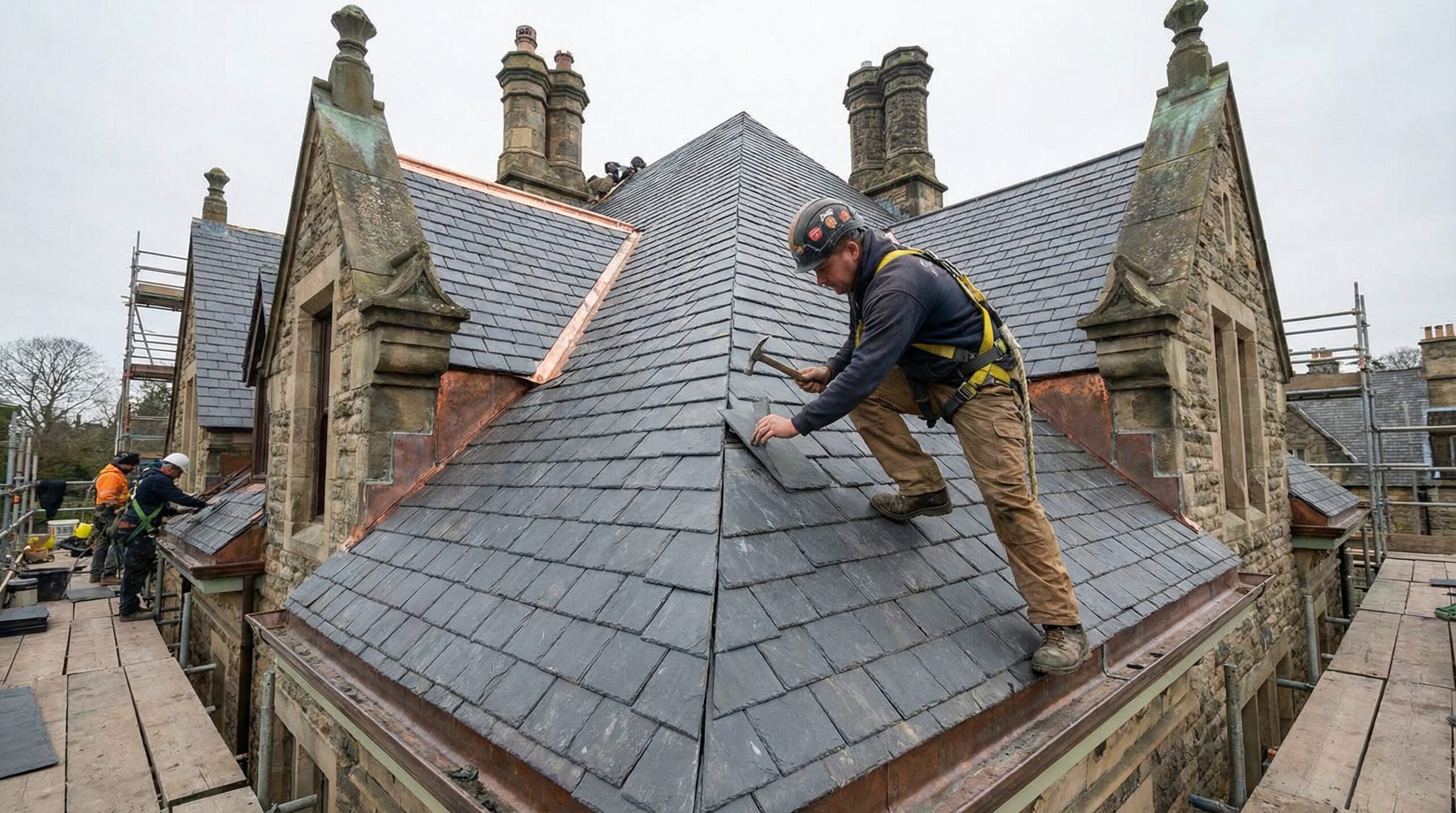
Work with contractors experienced in historic preservation projects. They understand local requirements and can help navigate the approval process. Many preservation commissions maintain lists of recommended contractors familiar with historic building standards. Before beginning work, it’s also wise to understand common types of roof damage that may need addressing during restoration.
Budget extra time for the approval process, which can take 30-90 days depending on your location and project complexity. Starting early prevents delays once you’re ready to begin work.
Ensuring long-term protection and maintenance
Proper installation and ongoing maintenance determine how long your restored roof will last. Historic homes often have unique structural characteristics that require specialized installation techniques and regular monitoring.
Schedule annual inspections with contractors familiar with your roofing materials. Different materials have specific maintenance needs. Slate roofs need careful attention to flashing and fasteners, while wooden shingles require monitoring for moss growth and proper ventilation. Learn how to remove moss from your roof safely to prevent damage to historic materials.
Develop a maintenance schedule that addresses your roof’s specific needs. Clean gutters regularly to prevent water backup, trim overhanging branches to reduce debris accumulation, and address small issues before they become major problems. Understanding the impact of tree coverage on your roof helps you make informed decisions about landscaping around historic properties. Document all maintenance work to track your roof’s condition over time.
Consider upgrading hidden elements like underlayment and ventilation systems during restoration. Modern synthetic underlayments provide better moisture protection against driving snow than traditional felt, while improved ventilation systems prevent ice dams and extend material life without affecting historical appearance. If you’re in Northeast Ohio, our post-winter roof and gutter maintenance guide offers valuable insights for seasonal care.
Your restored historic roof represents both a significant investment and a contribution to preserving Ohio’s architectural heritage. With proper planning, quality materials, and skilled installation, your roof will protect your home while maintaining its historical character for generations to come.
Peak and Valley Roofing specializes in historic roof restoration throughout Northeast Ohio. Our experienced team understands the unique requirements of historic properties and works closely with local preservation officials to ensure your project meets all guidelines while providing superior protection for your investment.