
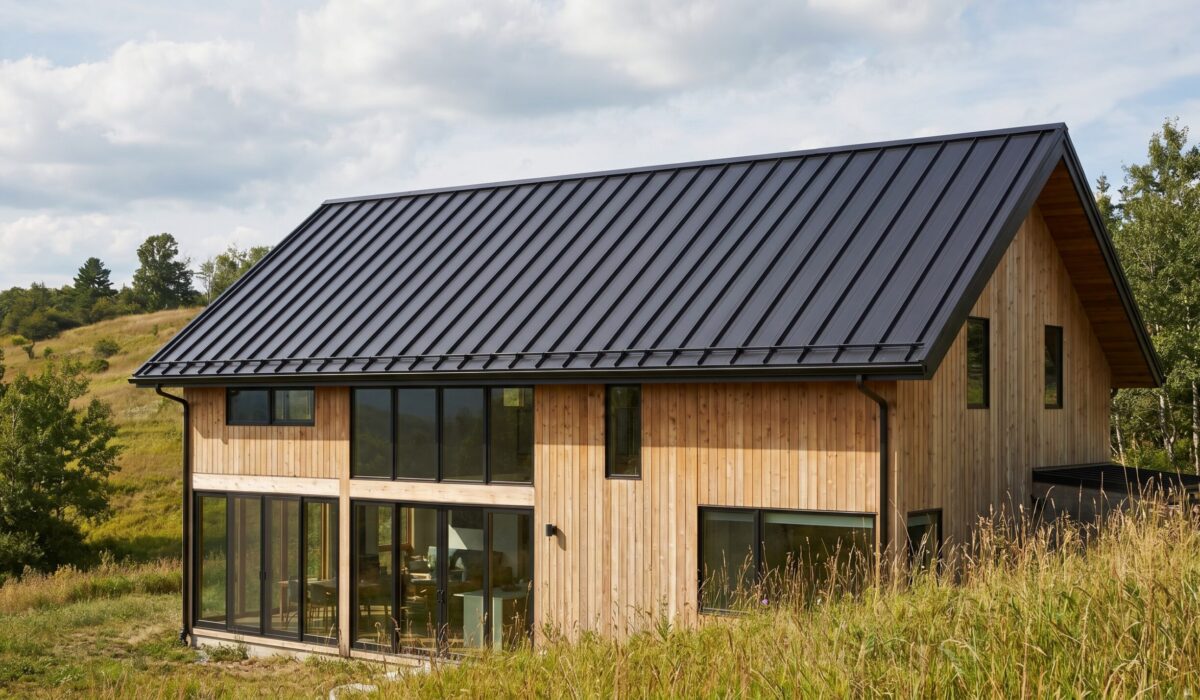
If you’re considering a standing seam metal roof for your Cleveland-area home, you’re probably wondering about one crucial question: how long will it actually last? The answer is more encouraging than you might expect.
Standing seam metal roofs typically last 40 to 70 years, with premium materials like copper and zinc reaching 100+ years. This far exceeds asphalt shingles (15-30 years) and even screw-down metal roofs (20-30 years). The actual lifespan depends on your metal choice, installation quality, Northeast Ohio’s climate conditions, and maintenance practices.
Quick Fact: A properly installed standing seam metal roof can outlast two to three asphalt shingle replacements, making it a smart long-term investment despite higher upfront costs.
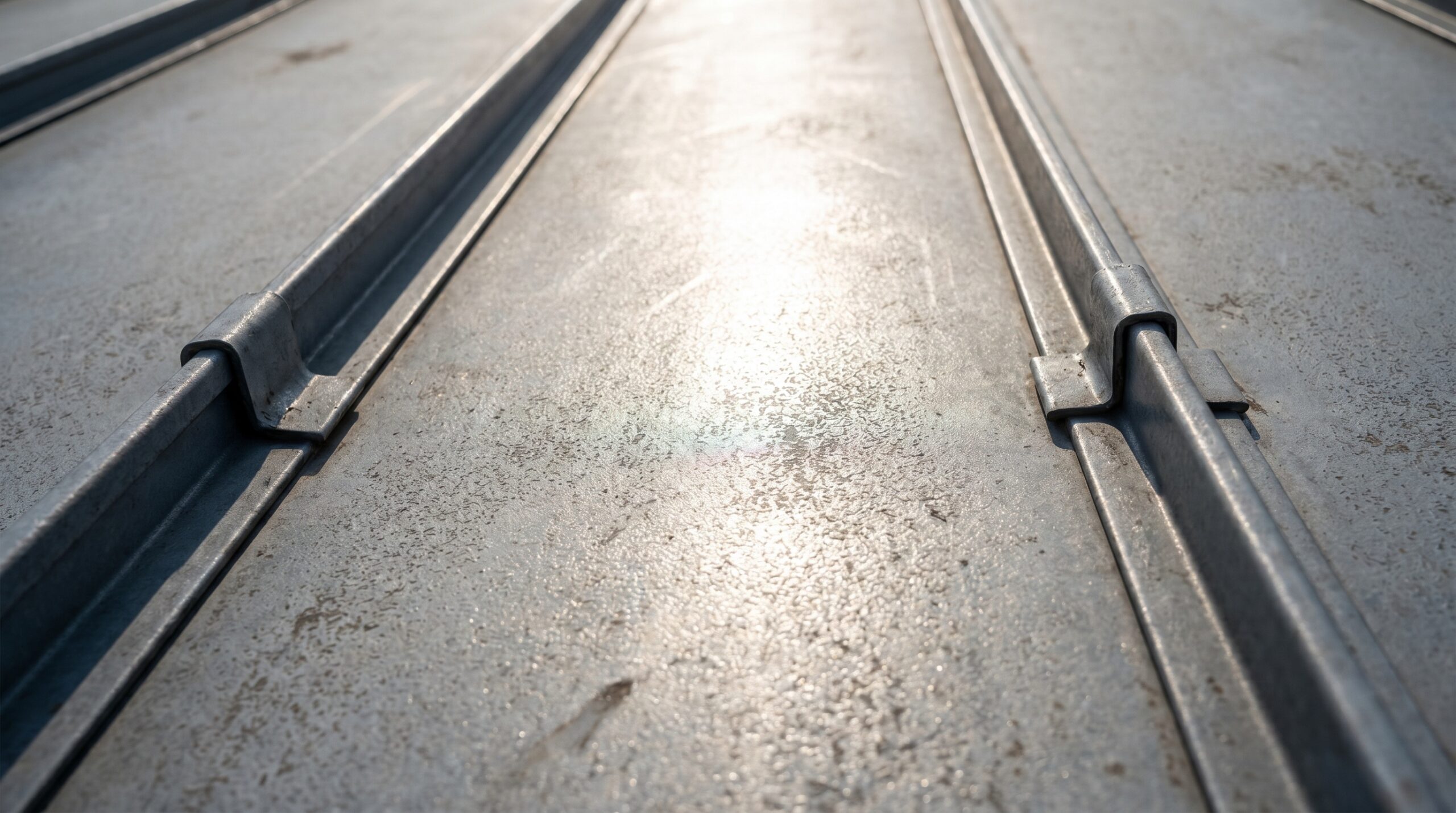
Unlike exposed fastener systems where screws penetrate the metal surface, standing seam roofs use concealed clips that allow thermal movement without stressing the panels. This fundamental design difference is why standing seam systems last significantly longer than traditional metal roofing—particularly important in Northeast Ohio where temperature swings can stress roofing materials.
In this guide, we’ll break down realistic lifespan expectations by metal type, explore the key factors that determine longevity in our regional climate, and help you understand what to expect from your investment.
How long does a standing seam metal roof really last?
The lifespan of your standing seam metal roof isn’t a fixed number. Under minimal conditions with mediocre installation and little maintenance, you can expect at least 30-40 years. With standard installation and occasional upkeep, most Northeast Ohio homeowners see 40-60 years of reliable service.
Under optimal conditions with expert installation, quality materials, and periodic maintenance, standing seam roofs regularly exceed 70 years. Premium metals like copper and zinc can protect your Rocky River or Cleveland home for a century or more.
What sets standing seam apart from other roofing systems is its concealed fastener design. The panels float on hidden clips, which means thermal expansion and contraction don’t stress the metal or create leak points. This is especially valuable in Northeast Ohio’s climate, where we experience significant seasonal temperature variations that can stress traditional roofing systems.
The key is understanding that these ranges represent probabilities, not guarantees. Your actual results will depend on several controllable factors we’ll explore throughout this article.
Standing seam metal roof lifespan by metal type
Different metals offer different longevity profiles, and understanding these differences helps you make the right choice for your Northeast Ohio home’s situation and budget.
| Metal Type | Typical Lifespan Range | Key Benefits | Best Applications |
|---|---|---|---|
| Steel (Galvalume) | 40-60 years | Cost-effective, excellent corrosion resistance | Most residential applications |
| Aluminum | 45-70+ years | Lightweight, natural corrosion resistance | Areas with heavy snow loads |
| Copper | 70-100+ years | Premium aesthetics, develops patina | Historic or high-end homes |
| Zinc | 80-100+ years | Self-healing patina, sustainability | Premium architectural projects |
Steel standing seam roof lifespan
Steel remains the most popular choice for residential standing seam roofing in Northeast Ohio, typically lasting 40-60 years when properly installed. The key to steel’s longevity lies in its protective coatings.
Galvalume steel features an aluminum-zinc alloy coating that provides excellent corrosion resistance against our region’s moisture and seasonal weather patterns. When combined with high-quality paint systems like Kynar 500, these roofs maintain their appearance and structural integrity for decades.
The 30-year paint warranties on quality steel systems don’t mean the roof fails after three decades. Many steel standing seam roofs in the Cleveland area continue performing well into their fifth and sixth decades with proper care.
Aluminum standing seam roof lifespan
Aluminum standing seam roofs typically last 45-70+ years, with their natural corrosion resistance and lightweight properties making them particularly suitable for Northeast Ohio homes with heavy snow load considerations.
Unlike steel, aluminum doesn’t rust, which eliminates one of the primary failure modes for metal roofing. This makes aluminum particularly valuable in our humid climate with frequent precipitation from Lake Erie weather patterns.
The lightweight nature of aluminum also reduces structural stress on your home while maintaining the durability advantages of standing seam design—an important consideration for older Cleveland-area homes.
Copper and zinc standing seam roof lifespan
Copper and zinc represent the premium end of standing seam roofing, with lifespans extending 70-100+ years. These materials develop protective patinas over time that actually enhance their corrosion resistance.
Copper’s distinctive green patina and zinc’s self-healing properties make these materials virtually maintenance-free once properly installed. While the upfront investment is substantial, the century-long lifespan often makes them cost-effective over the building’s lifetime—particularly for historic Cleveland homes or premium Rocky River properties.
Key factors that determine standing seam metal roof lifespan
Several controllable factors influence whether your roof reaches the lower or upper end of its expected lifespan range in Northeast Ohio’s climate.
Quality of installation and workmanship
Poor installation is the leading cause of premature roof failure, regardless of material quality. Proper standing seam installation requires expertise in panel alignment, clip placement, and thermal movement accommodation—skills that experienced Northeast Ohio roofing contractors develop through years of working with our regional weather patterns.
Inadequate fastening, improper seam formation, or damaged panels during installation can reduce your roof’s lifespan by decades. This is why choosing an experienced contractor with a proven standing seam track record in the Cleveland area is crucial for insurance restoration work and new installations alike.
Quality installation also includes proper flashing around penetrations and attention to detail that prevents water infiltration and panel stress—particularly important given our region’s snow and ice conditions.
Climate and environmental exposure
Northeast Ohio’s climate significantly impacts roof longevity. Our area experiences frequent temperature swings, heavy snow loads, occasional hail, and high winds from Lake Erie weather systems that create more wear on roofing systems.
The Great Lakes region presents unique challenges with moisture from lake-effect weather patterns, while heavy snow loads common in our winters can stress structural components. However, standing seam systems handle these challenges better than most alternatives.
Weather Impact: Roofs in Northeast Ohio’s moderate climate with proper installation often exceed their expected lifespans, especially when designed to handle our specific snow loads and wind patterns.
Standing seam systems’ wind ratings often exceed 140 mph, and the concealed fastener design eliminates many weather-related failure points that affect other roofing types during our severe storms.
Coatings and paint systems
The quality of factory-applied coatings plays a crucial role in long-term performance, especially for steel roofing systems in Northeast Ohio’s variable climate. Premium paint systems like Kynar 500 provide superior UV and corrosion resistance against our seasonal weather extremes.
These fluoropolymer coatings maintain color stability and protect the underlying metal far longer than standard paint systems. While they add to upfront costs, they’re essential for achieving maximum lifespan in our climate conditions.
Proper coating protection during installation is equally important. Scratches or damage that expose bare metal to moisture can create rust points that compromise the entire system—particularly problematic in our humid environment.
How standing seam metal roofs compare to other roofing options
Understanding how standing seam compares to alternatives helps put its lifespan advantages in perspective for Northeast Ohio homeowners.
Asphalt shingles typically last 15-30 years in our climate and require complete replacement when they fail. Screw-down metal roofs last 20-30 years but often need fastener maintenance and eventual panel replacement due to thermal stress from our temperature variations.
Standing seam systems eliminate the thermal stress problems of exposed fastener roofs while providing two to three times the lifespan of asphalt shingles. This longevity advantage often justifies the higher installation cost when viewed over decades of service—especially important for Cleveland-area homeowners dealing with insurance claims after storm damage.
The minimal maintenance requirements of standing seam systems also reduce lifetime ownership costs compared to other roofing types that need regular repairs or partial replacements after Northeast Ohio’s severe weather events.

Basic maintenance that helps your roof reach full lifespan
While standing seam roofs are low-maintenance, simple periodic care helps ensure you reach the upper end of expected lifespan ranges in Northeast Ohio’s climate.
Annual inspections should focus on checking seams, flashings around penetrations, and clearing debris from valleys and gutters—particularly important after our heavy snow melts and spring storms. After severe weather events common in our region, look for damaged panels or compromised coatings that need prompt attention.
Maintenance Reality: Most standing seam roofs need minimal intervention beyond keeping gutters clear and addressing minor issues before they become major problems—especially important given our seasonal debris and ice dam potential.
The goal isn’t intensive upkeep but rather protecting your investment through awareness and early intervention. Small issues addressed quickly prevent the larger failures that can shorten roof life, particularly important when working with insurance restoration after storm damage.
Professional inspections every few years can catch potential problems that aren’t visible from the ground, helping ensure your roof delivers its full expected lifespan despite Northeast Ohio’s challenging weather conditions.
Standing seam metal roofing represents one of the best long-term investments you can make in your Cleveland-area home’s protection. With proper material selection, quality installation by experienced local contractors, and basic maintenance, you can expect decades of reliable service that often outlasts the mortgage. The key is understanding that while the upfront investment is higher than alternatives, the exceptional longevity and minimal maintenance requirements make standing seam systems a smart choice for Northeast Ohio homeowners planning to stay in their homes long-term.