

Your roof shingles face constant exposure to algae, moss, and debris that can dramatically shorten their lifespan if left untreated. The good news is that proper cleaning can extend your roof’s life by 5-10 years while improving your home’s curb appeal and energy efficiency.
The best approach depends on your shingle type and the severity of buildup. Asphalt shingles respond well to soft washing with bleach solutions, while specialty materials like slate or cedar require gentler methods. Safety should always be your top priority, as improper techniques can damage shingles or cause serious injury.
Quick Fact: Algae like Gloeocapsa magma feeds on limestone in asphalt shingles, creating those unsightly black streaks while weakening your roof’s protective granules.
Understanding your shingle type and cleaning needs
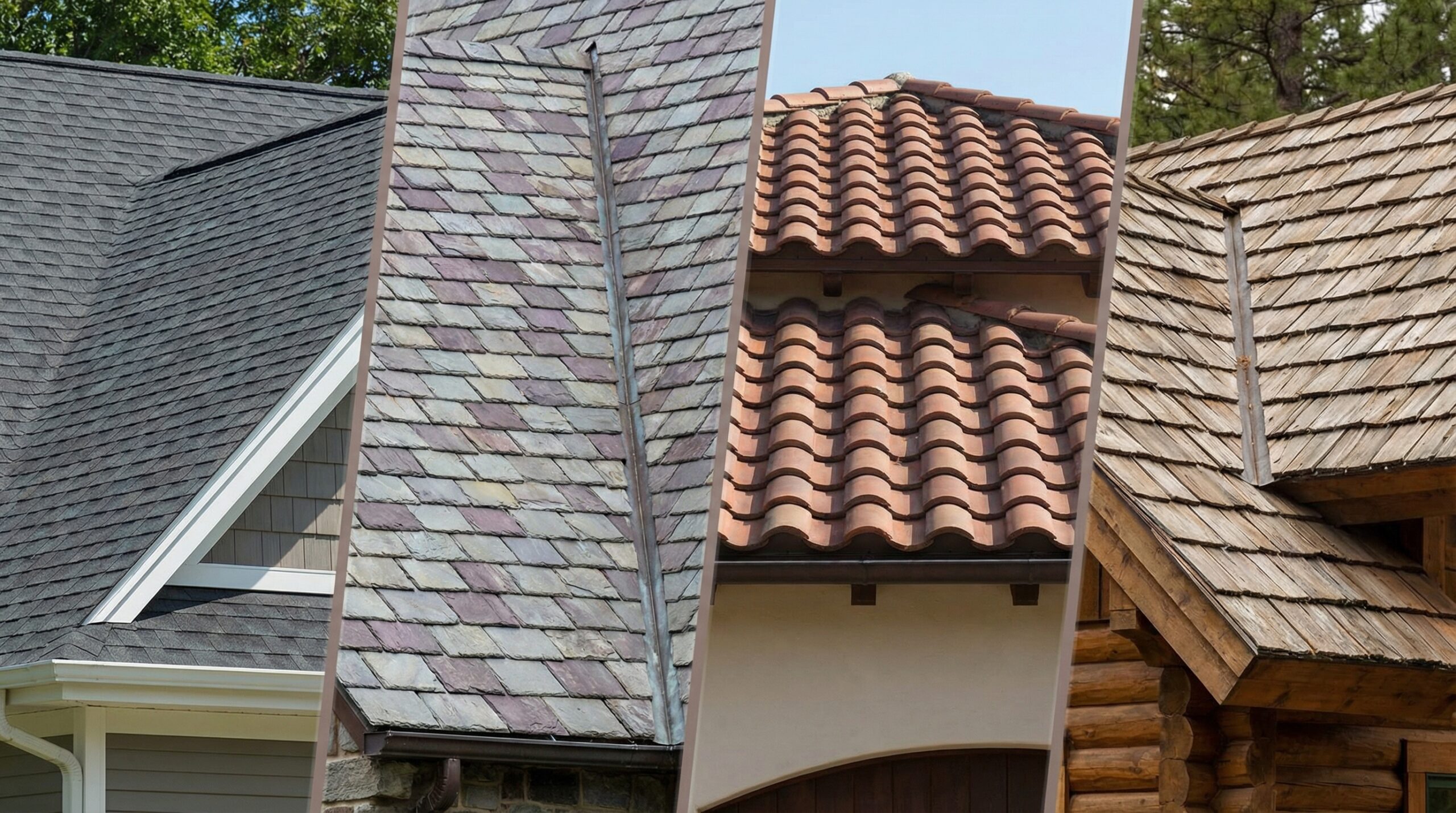
Different roofing materials require specific cleaning approaches to avoid damage. Asphalt shingles, the most common type, can handle mild chemical cleaners when applied correctly. However, materials like slate, clay tiles, and wood shakes need more delicate treatment.
Before starting any cleaning project, inspect your roof for loose or damaged shingles. Walking on a compromised roof can cause further damage or create safety hazards. If you notice significant wear, cracked shingles, or structural issues, contact a professional roofer before attempting any cleaning. Understanding the common types of roof damage can help you identify when cleaning alone isn’t enough.
The severity of algae or moss buildup also determines your cleaning strategy. Light surface stains may only need a gentle rinse and mild detergent, while heavy growth requires stronger solutions and more time to penetrate and break down the organic matter.
Safe cleaning methods for asphalt shingles
Soft washing is the safest and most effective method for cleaning asphalt shingles. This low-pressure approach uses specialized cleaning solutions to kill algae and moss without damaging the protective granules that shield your shingles from UV rays.
Start by mixing a solution of one pound of pool shock (calcium hypochlorite) per gallon of water in a pump sprayer. Apply this mixture evenly across affected areas, allowing it to sit for 20-30 minutes before rinsing with a garden hose. The chlorine-based cleaner effectively kills algae while being gentler than high-pressure washing.
For stubborn stains, use a soft-bristled brush to gently scrub the area after the cleaning solution has had time to work. Never use a pressure washer on asphalt shingles, as the high-pressure water can strip away protective granules and lift shingles, creating entry points for moisture. If you’re dealing with persistent moss growth, learn how to remove moss from your roof safely and effectively using proven techniques.
| Cleaning Method | Best For | Pros | Cons |
|---|---|---|---|
| Pool shock solution | Heavy algae buildup | Fast results, kills organisms | Requires safety gear |
| Oxygen bleach | Light stains | Eco-friendly, gentle | Slower results |
| Dish soap mixture | Maintenance cleaning | Very safe, inexpensive | Limited effectiveness |
Safety Tip: Always pre-soak surrounding vegetation with water and cover plants with plastic tarps to protect them from chemical runoff during the cleaning process.
Specialized techniques for different roofing materials
Clay and slate tiles require gentler cleaning methods due to their porous nature and potential fragility. Use a simple mixture of water and dish soap applied with a soft brush. These materials are naturally resistant to most stains, so aggressive cleaning is rarely necessary.
Wood shingles and cedar shakes need special attention because of their organic composition. Use a 3-to-1 mixture of water and bleach, but apply it sparingly and rinse thoroughly. Wood naturally discolors over time, and while cleaning can restore some original color, be careful not to damage the wood fibers with excessive scrubbing.
For metal roofing systems, the cleaning process differs significantly from shingles. If you have a metal roof, check out this comprehensive guide on how to clean a metal roof step-by-step for material-specific instructions.
For all specialty materials, test your cleaning solution on a small, inconspicuous area first. This helps you gauge the material’s reaction and adjust your approach if needed. Remember that these materials often require professional cleaning to maintain warranties and prevent damage.
Essential safety precautions and when to call professionals
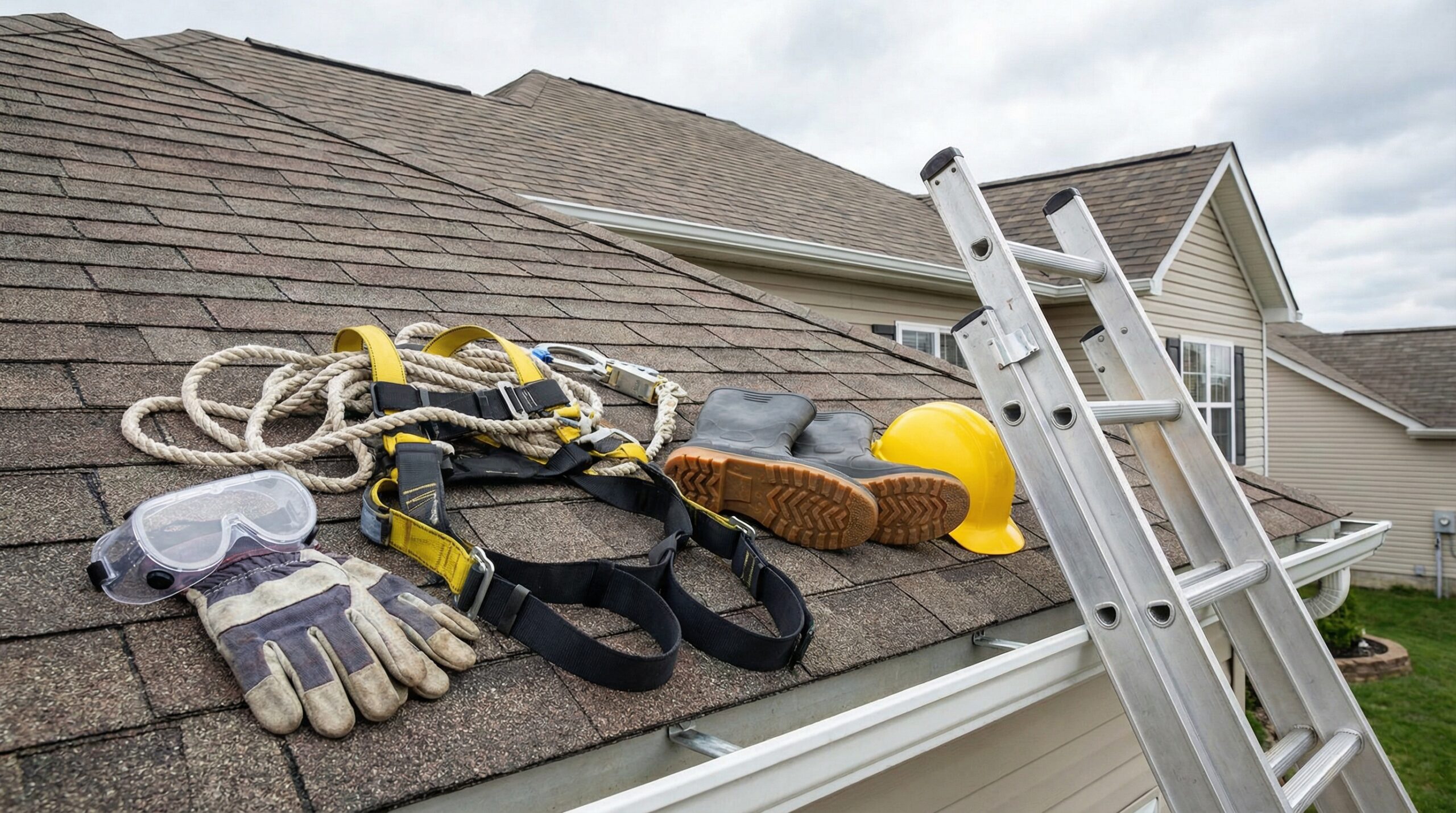
Roof cleaning involves significant safety risks that require proper preparation and equipment. Use slip-resistant boots, work gloves, and safety goggles when handling chemical cleaners. If you must access the roof directly, use a properly secured safety harness and have someone spot you from the ground.
Never attempt to clean a wet or steep roof. Choose a dry, cloudy day with mild temperatures for the best working conditions. Position your ladder on level ground and have someone hold it steady while you work. Avoid leaning away from the ladder or overreaching to access different areas. For safe debris removal techniques, especially during fall months, review these professional techniques for safe roof leaf removal.
Professional Recommendation: If your roof has a steep pitch, extensive moss coverage, or you’re uncomfortable with heights, hiring a professional roof cleaning service is the safer choice.
Consider professional cleaning for roofs older than 15 years, those with significant structural damage, or when dealing with extensive moss growth that may have compromised shingle integrity. Professional cleaners have specialized equipment and experience to handle challenging situations safely while protecting your roof’s warranty. If you’re unsure whether repair or replacement is needed, explore whether repairing an old roof is worth it based on your roof’s condition.
Regular maintenance cleaning should be part of your annual home care routine, ideally performed in spring or early fall when weather conditions are most favorable. This proactive approach prevents minor issues from becoming major problems and helps maintain your roof’s protective capabilities for years to come. Incorporating pre-winter roof cleaning into your seasonal maintenance schedule can protect your home from harsh weather damage.
Keeping your roof clean is an investment in your home’s longevity and value. Whether you choose to tackle the job yourself or hire professionals, regular cleaning prevents costly repairs and extends your roof’s lifespan significantly. The key is choosing the right method for your specific roofing material and never compromising on safety.