

Installing new siding represents a significant investment in your home’s protection and curb appeal. Understanding your siding warranty coverage becomes crucial to safeguarding this investment against unexpected repair costs. Most homeowners discover what their warranty actually covers only after problems arise, often finding exclusions they never anticipated.
Siding warranties typically include two main types: manufacturer warranties covering material defects for 20-50 years, and contractor workmanship warranties lasting 1-10 years. However, the fine print contains important limitations that can void coverage entirely. Professional installation by certified contractors like Peak and Valley Roofing ensures warranty validity while providing comprehensive protection for your siding investment.
Key Insight: Improper DIY installation is the leading cause of voided siding warranties, making professional installation essential for maintaining coverage.
This guide breaks down exactly what siding warranties cover, common exclusions that void protection, and practical steps to maintain your warranty coverage throughout its full term.
Understanding siding warranty types and coverage
Siding warranty protection comes in two distinct forms that work together to protect your investment. Manufacturer warranties focus on the siding materials themselves, covering defects like cracking, peeling, excessive fading, and premature deterioration. These warranties typically last 20 to 50 years depending on the material quality and brand reputation.
Contractor workmanship warranties cover installation-related issues that arise from improper techniques or faulty labor. Peak and Valley Roofing provides comprehensive workmanship warranties that address installation defects, ensure compliance with local building codes, and guarantee proper fastening techniques that prevent future problems.
| Warranty Type | Coverage Focus | Typical Duration |
|---|---|---|
| Manufacturer | Material defects, fading, hail damage | 20-50 years |
| Contractor | Installation quality, workmanship | 1-10 years |
| Extended | Additional protection beyond standard | Varies |
The combination of both warranty types provides complete protection for your siding system. Manufacturer coverage handles product failures while contractor warranties address installation issues that could compromise performance or appearance over time. When considering siding repair vs replacement, understanding your warranty coverage helps determine the most cost-effective solution.
Common exclusions that void siding warranty protection
Understanding what voids your siding warranty prevents costly mistakes that eliminate your protection. Improper installation ranks as the most common warranty killer, particularly when homeowners attempt DIY projects to save money. Manufacturers require strict adherence to installation guidelines for warranty validity, which is why avoiding common siding installation mistakes is critical for maintaining coverage.
Weather-related damage often falls outside standard coverage despite homeowner expectations. Normal weathering, foundation settling, and extreme weather events like hurricanes typically receive exclusion from warranty protection. Acts of nature generally require separate insurance coverage rather than warranty claims. If you experience severe weather damage, understanding storm siding damage signs and insurance tips can help you navigate the claims process.
Warning: Using pressure washers or harsh chemicals for siding cleaning can immediately void manufacturer warranties, even when done by professionals.
Unauthorized modifications present another warranty risk. Mounting equipment, adding decorations, or altering the siding system without manufacturer approval terminates coverage. Even seemingly minor changes like drilling holes for satellite dishes can void protection entirely.
Maintenance neglect also eliminates warranty coverage when homeowners fail to follow manufacturer cleaning and upkeep requirements. Regular maintenance documentation becomes essential for preserving warranty validity throughout the coverage period. Learning how to maintain your siding in Ohio ensures you meet all manufacturer requirements.
Professional installation requirements for warranty validity
Professional installation by certified contractors ensures your siding warranty remains valid while maximizing system performance. Certified installers understand manufacturer requirements for proper fastener spacing, moisture barrier integration, and seam handling that DIY projects often miss.
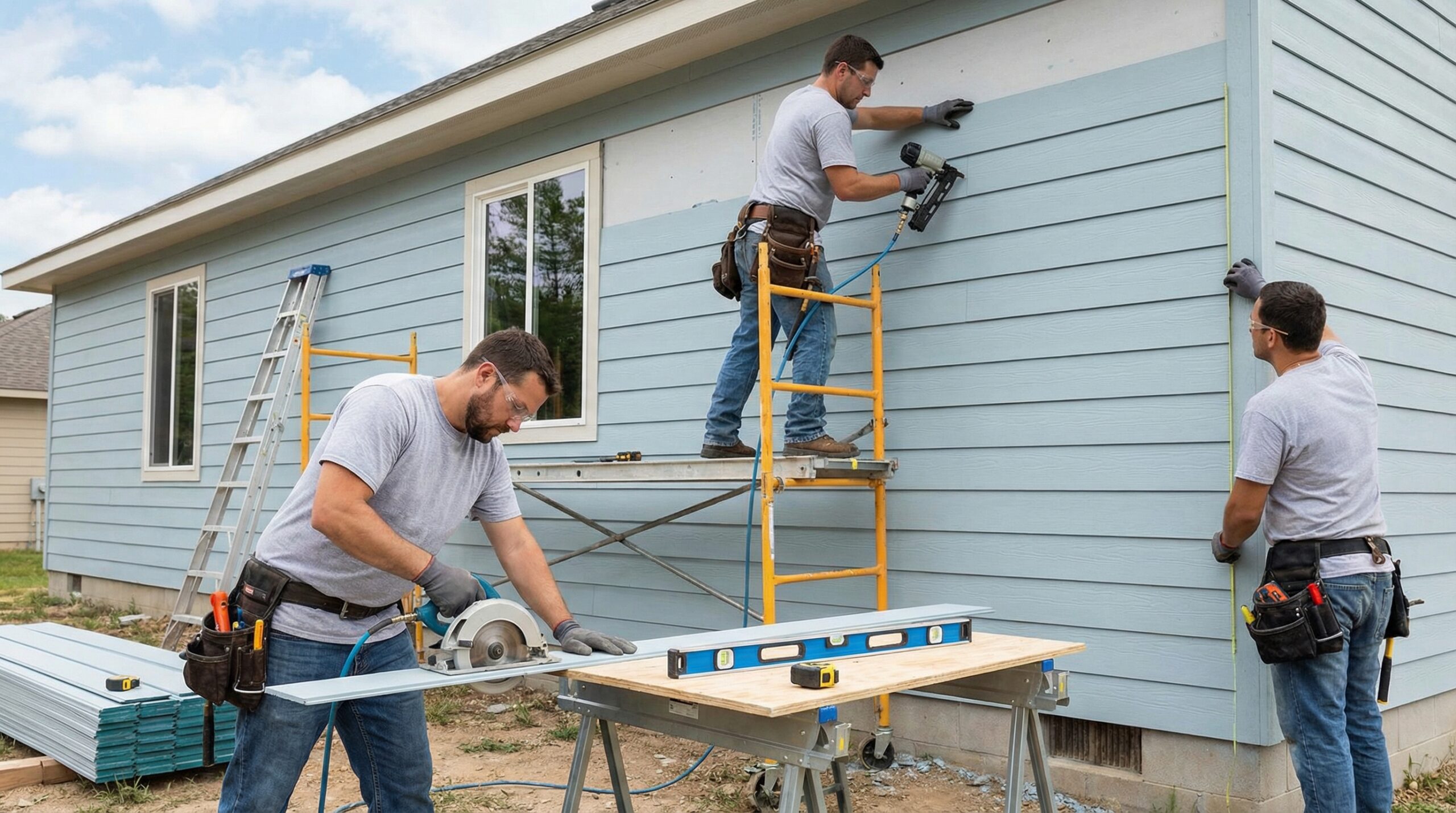
Documentation plays a crucial role in warranty protection. Professional contractors photograph their work, maintain installation records, and provide proof that siding installation meets manufacturer specifications. This documentation becomes invaluable when filing warranty claims later.
Peak and Valley Roofing follows strict manufacturer guidelines while providing additional quality assurance through comprehensive workmanship warranties. Professional installation eliminates common mistakes that void coverage while ensuring optimal siding performance for decades. When choosing a siding contractor in Loveland Colorado or any location, verify they offer robust warranty protection on their workmanship.
The investment in professional installation pays dividends through maintained warranty coverage and superior long-term performance. Certified contractors also provide ongoing support for warranty claims and maintenance guidance throughout the coverage period.
Maintaining warranty coverage through proper care
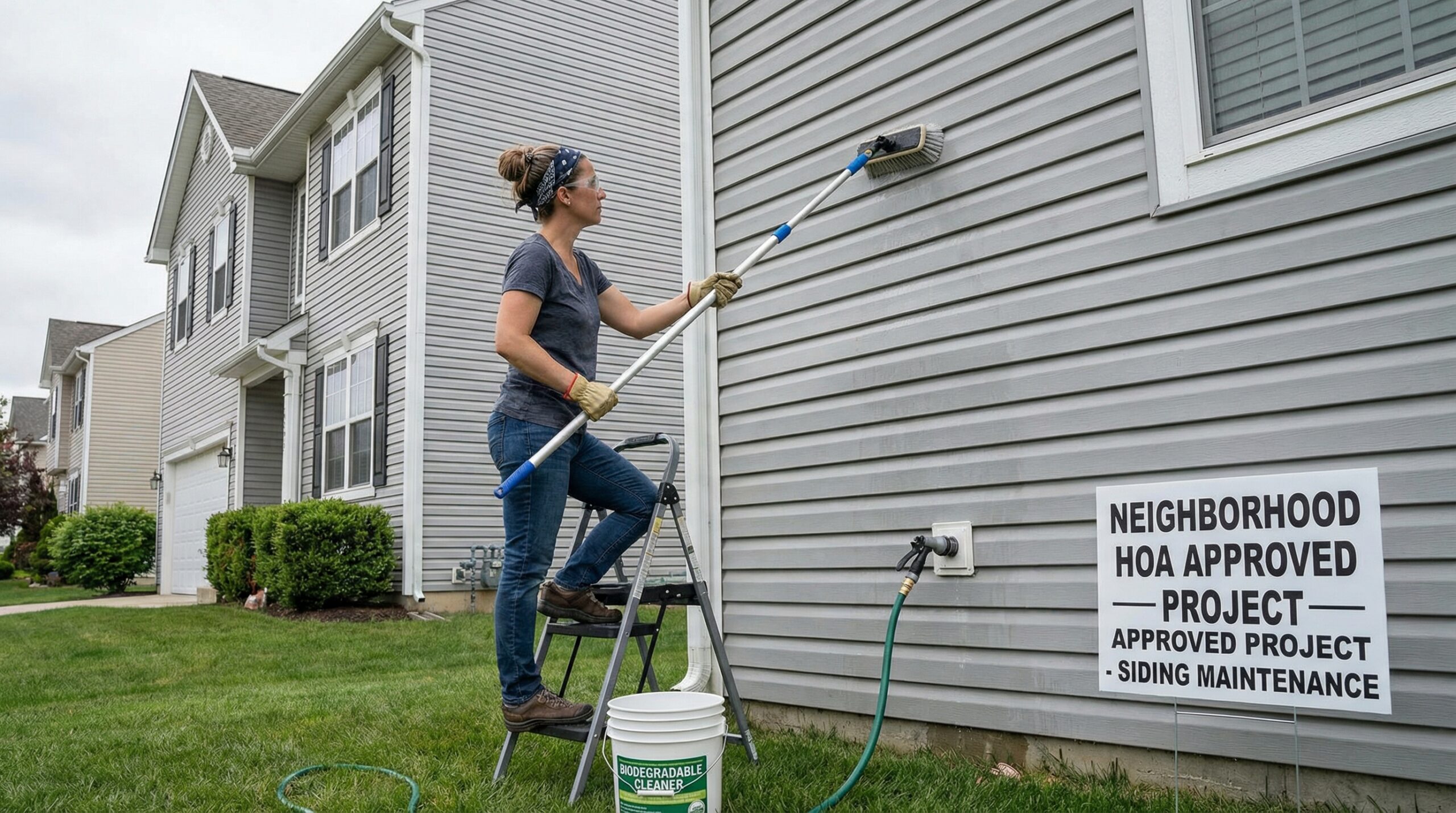
Preserving your siding warranty requires consistent maintenance following manufacturer guidelines. Annual cleaning using approved methods prevents buildup that could damage materials or void coverage. Most manufacturers specify gentle washing techniques using mild detergents rather than pressure washing.
Regular inspections help identify emerging issues before they become warranty-voiding problems. Professional inspections every one to two years catch minor issues like loose fasteners or small cracks that require prompt attention to maintain coverage. These inspections can also detect wood rot behind siding before it compromises your warranty or requires extensive repairs.
Maintenance Tip: Keep detailed records of all siding maintenance, repairs, and inspections to support warranty claims and demonstrate proper care to manufacturers.
Prompt repairs using approved materials and methods preserve warranty validity. Even minor issues like caulking gaps or replacing damaged panels must follow manufacturer specifications to avoid voiding coverage for the entire system.
Working with certified contractors for maintenance and repairs ensures warranty compliance while extending siding lifespan. Professional maintenance prevents small problems from becoming major warranty claims while preserving your investment protection.
Understanding your siding warranty coverage protects your investment while providing peace of mind for years to come. Professional installation, proper maintenance, and awareness of warranty limitations ensure maximum protection for your siding system. When warranty issues arise, working with experienced contractors streamlines the claims process and ensures proper resolution of covered problems.