

Understanding the layers of a metal roof and how each part works together is essential whether you’re planning an installation, replacement, or simply want to know what makes these systems so durable. A metal roof isn’t just panels attached to your home—it’s a carefully engineered system with multiple components that work together to provide decades of protection against Northeast Ohio’s challenging weather conditions.
Key Insight: A complete metal roofing system typically includes 8-11 essential components, from the structural deck to the visible panels, each serving a specific protective function.
Metal roofs consist of several critical layers that create a waterproof, energy-efficient barrier. The main parts include the roof deck, underlayment, metal panels, fasteners, flashing, ridge caps, and trim components. Each layer has a specific job, and when properly installed, they create a system that can last 50-100 years depending on the material used.
What makes up a metal roof system
The foundation of any metal roof starts with the structural components and builds up through protective layers to the visible finish. At Peak and Valley Roofing, we see how each component plays a vital role in the overall performance of the system, especially when dealing with Northeast Ohio’s snow loads and temperature fluctuations.
The roof deck provides the structural foundation, typically made from plywood or OSB sheathing. This surface must be solid and properly fastened to support the weight of the metal roofing system and any snow loads common in the Cleveland area. Above this, the underlayment creates a secondary water barrier—usually synthetic materials or ice and water shield in critical areas.
The metal panels themselves are the most visible component, available in various profiles like standing seam or corrugated styles. These panels are secured with specialized fasteners designed to accommodate thermal expansion and contraction while maintaining a watertight seal.

How the layers work from bottom to top
Understanding the metal roof layers from the structural base upward helps explain why each component matters for long-term performance in Rocky River and the greater Cleveland area. The assembly process follows a specific sequence that ensures proper protection and durability.
Starting from the bottom, the roof deck provides structural support and a nailing surface. The underlayment goes directly over this deck, creating a moisture barrier that protects against any water that might penetrate the metal panels. In areas prone to ice dams—a common concern in Northeast Ohio—ice and water shield extends this protection.
Installation Tip: Proper ventilation between the deck and metal panels prevents condensation buildup and extends the roof’s lifespan significantly.
Insulation may be installed above or below the deck, depending on the building design. The metal panels form the primary weather barrier, with their profile designed to shed water quickly—crucial during Cleveland’s heavy rain and snow events. Fasteners, flashing, and trim pieces seal all joints and transitions to complete the weatherproof system.
Essential components and their specific functions
Each part of a metal roof serves a distinct purpose in protecting your Cleveland-area home. The roof panels provide the primary weather barrier, but they work in conjunction with several supporting components to create a complete system.
Flashing directs water away from vulnerable areas like chimneys, valleys, and wall intersections. Without proper flashing, even the best metal panels will eventually leak. Ridge caps cover the peak where two roof slopes meet, preventing water and debris from entering through the top of the roof.
Fasteners and clips secure everything together while allowing for thermal movement. Metal roofing expands and contracts with temperature changes—particularly important in Northeast Ohio where temperatures can swing dramatically between seasons—so the fastening system must accommodate this movement without creating leaks.
| Component | Primary Function | Typical Material |
|---|---|---|
| Roof Deck | Structural support | Plywood/OSB |
| Underlayment | Secondary water barrier | Synthetic membrane |
| Metal Panels | Primary weather protection | Steel/Aluminum |
| Fasteners | Secure system together | Coated steel screws |
| Flashing | Water diversion | Matching metal |
Installation details that ensure long-term performance
Proper installation of metal roofing requires attention to specific details that affect the system’s long-term performance. The sequence of installation and quality of workmanship directly impact how well the layers work together—something our family-owned team at Peak and Valley Roofing takes seriously on every project.
Installation typically begins with preparing the deck and installing underlayment with proper overlap. Metal panels are then installed from bottom to top, with careful attention to panel alignment and fastener placement. Each fastener must be installed straight and at the correct torque to avoid over-compression or under-tightening.
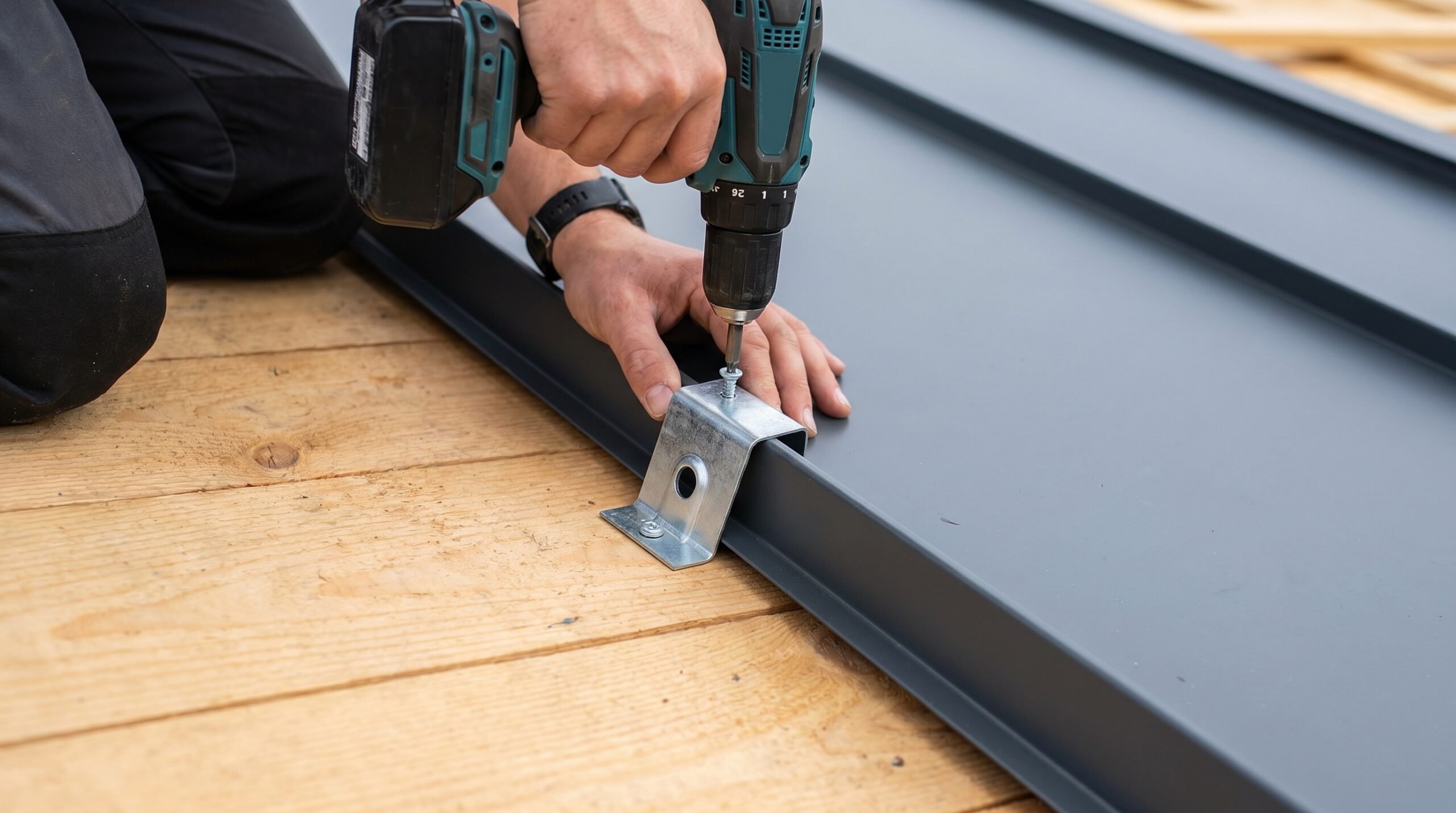
Flashing installation requires particular skill, as these components must integrate seamlessly with the panel system while accommodating building movement. Professional installation ensures that all components work together as designed, providing the durability and performance that metal roofing is known for—especially important for homeowners dealing with Northeast Ohio’s challenging weather patterns.
The key to successful metal roof construction lies in understanding how each layer contributes to the overall system performance. When properly designed and installed, these components create a roofing system that provides superior protection, energy efficiency, and longevity compared to traditional roofing materials. Whether you’re considering a new installation or replacement in the Rocky River or Cleveland area, knowing these construction details helps ensure you get a system built to last decades.