
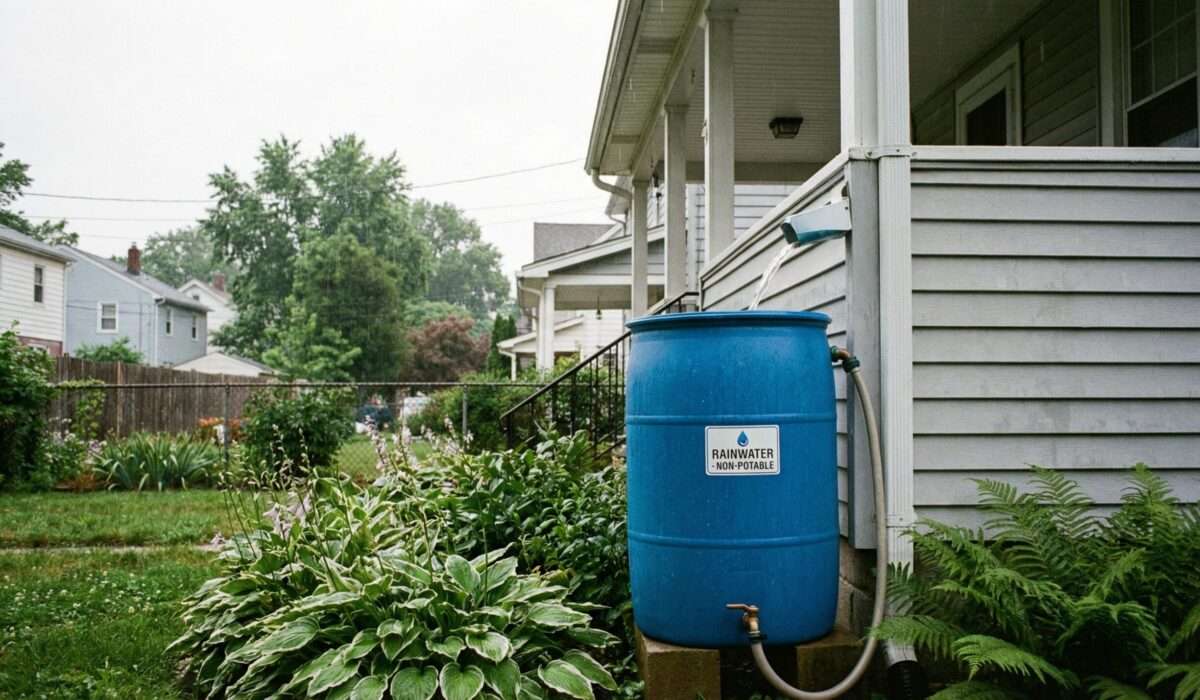
Installing a rain barrel system in your Rocky River home can reduce your water bills by 15-20% during summer months while helping you collect up to 600 gallons from just one inch of rainfall on an 800-square-foot roof. With Northeast Ohio receiving an average of 38 inches of rainfall annually, homeowners have significant opportunities to harvest rainwater for garden irrigation and outdoor use.
Quick fact: Approximately 90% of rain events in Northeast Ohio are 1.25 inches or less, making rain barrels an effective collection method for most weather patterns.
Rain barrel systems work by capturing water from your roof through gutters and downspouts, storing it in containers for later use. The collected water is perfect for watering gardens, lawns, and washing outdoor equipment. Beyond the practical benefits, these systems help reduce stormwater runoff that can overwhelm municipal drainage systems during heavy rains.
Understanding rain barrel benefits for your home
Rain barrels offer multiple advantages that make them worthwhile investments for Northeast Ohio homeowners. The primary benefit is water conservation, as you can capture and reuse rainwater that would otherwise flow into storm drains. This collected water is naturally soft and free of chemicals like chlorine, making it ideal for plants.
From a financial perspective, rain barrels can significantly impact your utility bills. A typical 55-gallon rain barrel can save approximately 1,300 gallons of municipal water during peak growing season. With water rates continuing to rise across Northeast Ohio, these savings add up quickly over time.
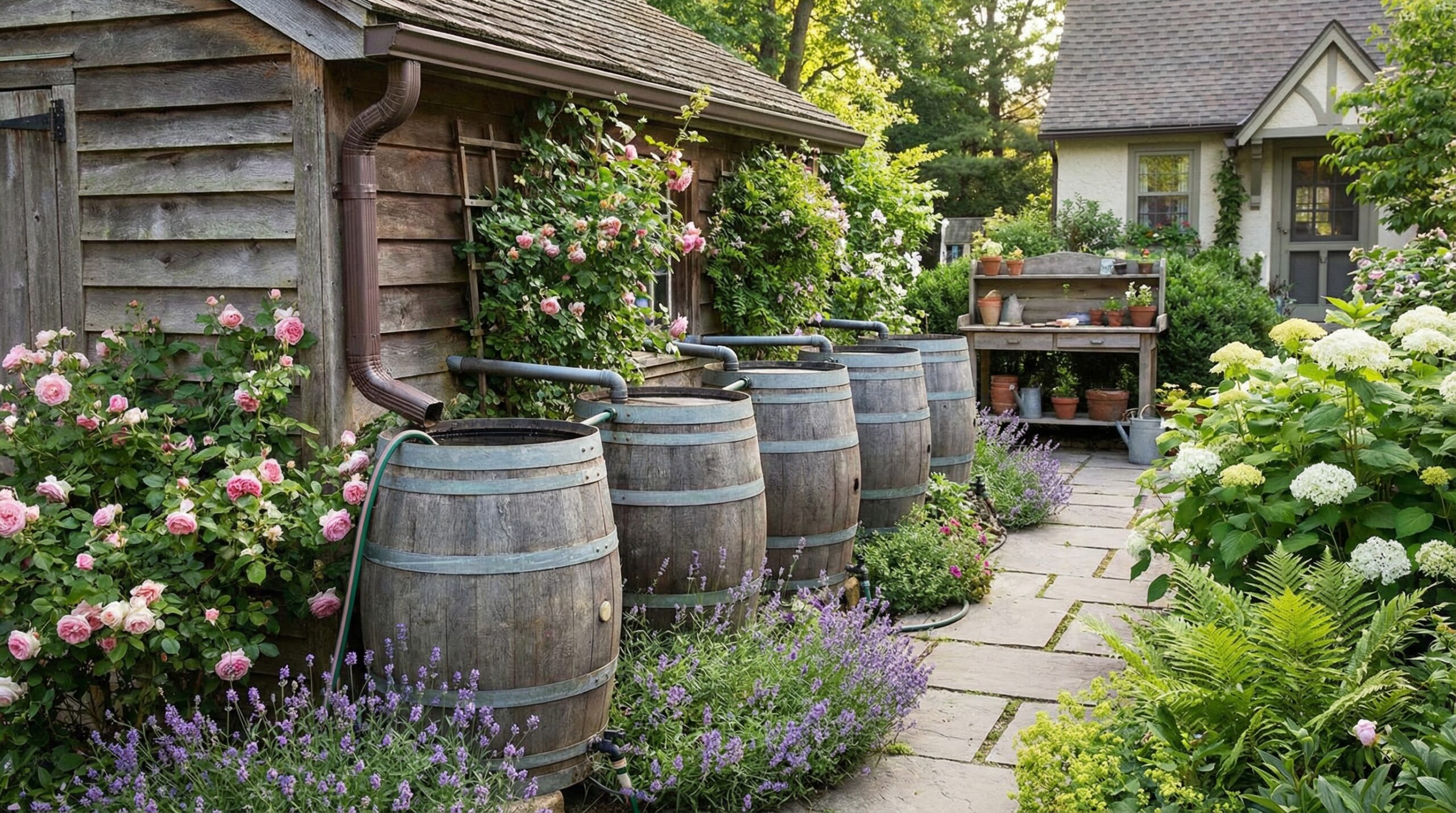
Environmental benefits extend beyond your property. When you collect rainwater, you reduce the volume of stormwater entering local waterways like Lake Erie. This helps prevent erosion and reduces the burden on municipal water treatment facilities. According to environmental guidelines, every gallon captured in rain barrels prevents that water from flowing into storm drains or streams.
Important note: Never use collected rainwater for drinking, cooking, or washing items that will be consumed, as rooftop collection can introduce contaminants from air deposition and bird droppings.
Choosing the right barrel and location
Selecting an appropriate rain barrel involves considering both capacity and placement. Standard rain barrels hold 50-55 gallons, but you can connect multiple barrels to increase storage capacity. For homes with larger roof areas or extensive gardens, linking several barrels ensures you capture more water during heavy rainfall events.
Location is crucial for both functionality and aesthetics. Place your barrel under a downspout where it can easily collect water from your gutter system. The area should be level and stable, as a full 55-gallon barrel weighs over 400 pounds. Consider proximity to areas where you’ll use the water most frequently, such as vegetable gardens or flower beds. Understanding proper downspout placement ensures optimal water collection and prevents foundation issues.
According to agricultural extension services, you can build your own rain barrel for much less than purchasing a retail version, which typically costs over $100. Food-grade 55-gallon high-density polyethylene barrels work well for DIY projects and are often available from local suppliers.
When positioning your barrel, ensure proper drainage away from your home’s foundation. The overflow outlet should direct excess water to a pervious area like a lawn or garden bed where it can infiltrate into the ground rather than creating drainage problems.
Installation and setup process
Installing a rain barrel requires modifying your existing downspout system. Start by measuring and cutting the downspout at the appropriate height to allow water to flow into your barrel. Most installations require the barrel to sit on a stable platform like concrete blocks or a wooden stand to create proper elevation for gravity-fed water flow.
The connection between your downspout and barrel needs a diverter system that directs water into the barrel when there’s capacity and routes overflow away when the barrel is full. This prevents water backup that could damage your gutters or foundation. Professional-grade diverters handle sudden volume increases during storms more effectively than basic models. If you’re considering whether to tackle this project yourself, reviewing the DIY vs. professional gutter repair considerations can help you make an informed decision.
| Component | Purpose | Specification |
|---|---|---|
| Downspout diverter | Controls water flow | 3-4 inch diameter |
| Overflow outlet | Prevents backup | 1.5x larger than inlet |
| Spigot | Water access | ¾ inch standard |
| Screen cover | Debris protection | Fine mesh material |
Proper sealing prevents leaks and ensures efficient operation. Use weather-resistant materials for all connections, and check that your installation complies with local building codes. Some municipalities have specific requirements for rain barrel installations, including setback distances from property lines.

Maintenance and seasonal care
Regular maintenance keeps your rain barrel system functioning effectively throughout Northeast Ohio’s varied seasons. During active use periods, inspect the system monthly for clogs, leaks, or damage. Clean debris from screens and check that water flows freely through all connections. Just as you would recognize signs your gutters need professional repair, monitoring your rain barrel system prevents small issues from becoming major problems.
Mosquito prevention is essential since standing water provides breeding habitat. Keep your barrel covered with a tight-fitting lid or fine mesh screen. According to extension guidelines, mosquitoes need standing water to breed, so proper covering is crucial for preventing infestations.
Winter preparation is especially important in Northeast Ohio. You must drain your barrel completely before freezing temperatures and lake-effect snows arrive. Frozen water can crack the barrel and damage fittings. Disconnect the barrel from your downspout system and store it in a protected area, or leave it in place but ensure the spigot is left open so it remains empty throughout the winter months.
Seasonal tip: Clean your rain barrel thoroughly at the beginning and end of each growing season to prevent algae growth and maintain water quality for garden use.
Spring setup includes reconnecting your system, checking all seals and connections, and testing water flow. This is also an ideal time to inspect your gutters and downspouts for winter damage that could affect water collection efficiency. Learning how to keep your gutters flowing during rainy seasons applies equally to maintaining your rain barrel collection system.
Rain barrel systems represent a practical step toward water conservation that benefits both your household budget and the environment. With proper installation and maintenance, these systems provide years of reliable service while reducing your dependence on municipal water for outdoor needs. The investment pays for itself through reduced water bills while contributing to broader conservation efforts in your community. Understanding the role of gutters and downspouts in protecting your home helps you appreciate how rain barrels integrate into your overall water management strategy.
Peak and Valley Roofing can help you integrate rain barrel systems with your existing gutter infrastructure, ensuring proper installation that maximizes collection efficiency while protecting your home’s foundation and drainage systems.