

A roof cricket is a small, sloped structure built behind chimneys, skylights, or other roof penetrations to divert water around them and prevent leaks. Also called a roof saddle or chimney cricket, this triangular framework creates two valleys that channel water away from flat surfaces where it would otherwise pool and cause damage.
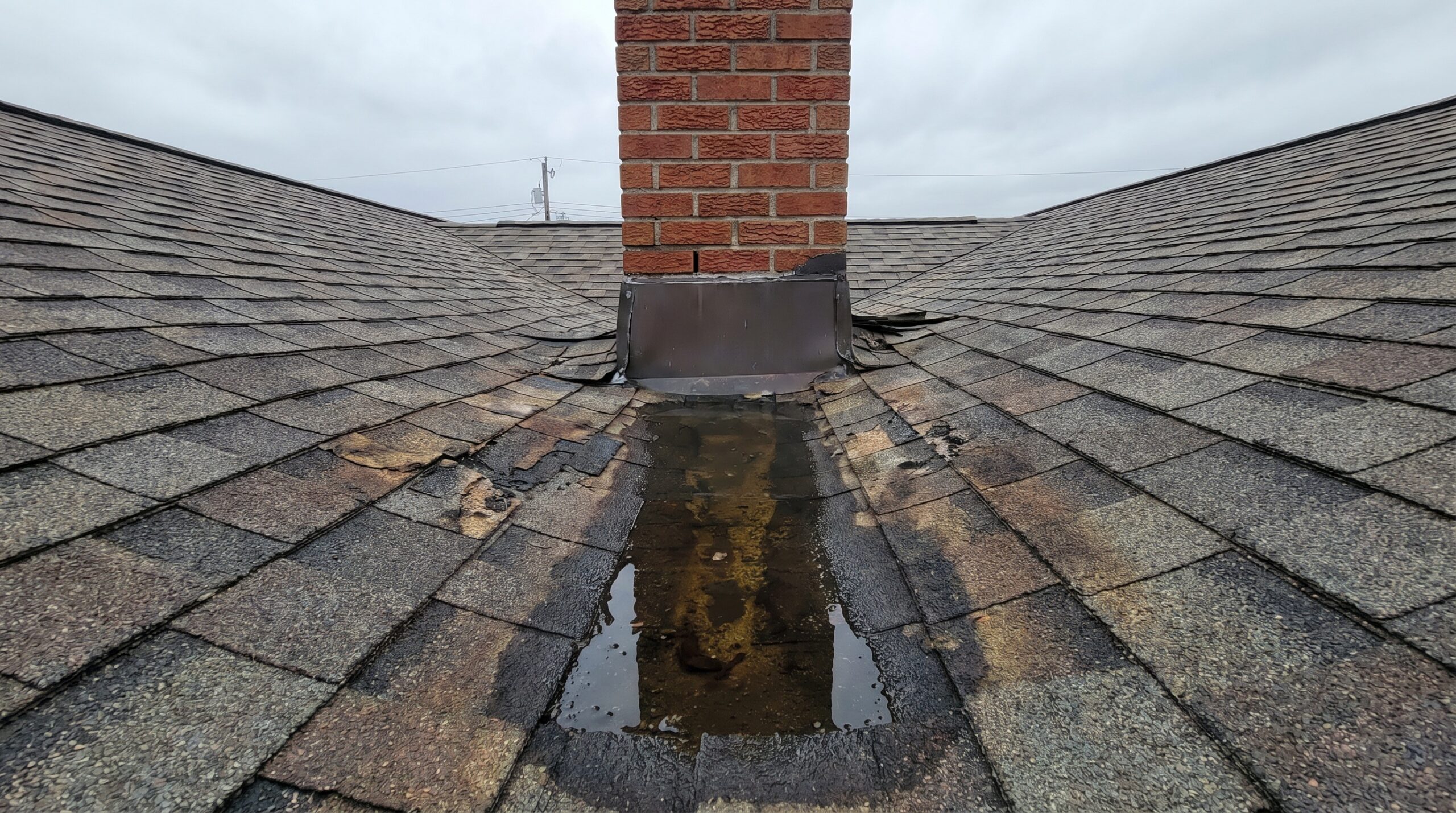
When water hits your roof during Cleveland’s heavy spring rains or winter snow melts, it needs a clear path to flow toward your gutters. Without a cricket, water gets trapped behind large penetrations like chimneys, leading to standing water, leaks, and potential structural damage. Building codes now require crickets for chimneys wider than 30 inches, but they’re beneficial for any roof penetration that blocks natural water flow.
Quick fact: The International Building Code has required roof crickets on chimneys over 30 inches wide since 2026, making them mandatory on most new construction and roof replacements in Northeast Ohio.
In this guide, you’ll learn what roof crickets are, when codes and practical issues mean you need one, your material options, and typical costs for installation in the Cleveland area.
Understanding roof cricket basics
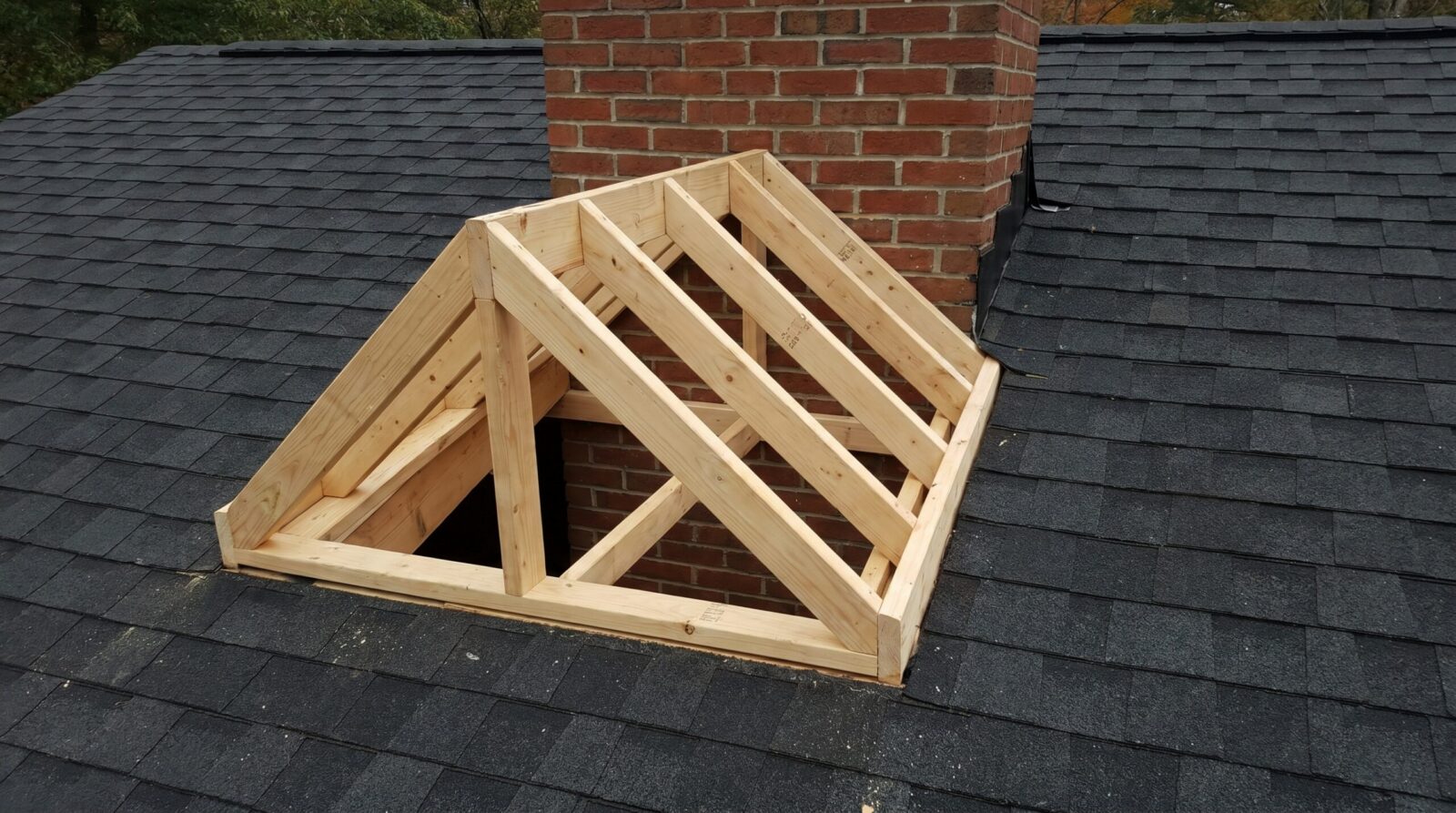
Think of a roof cricket as a mini-roof built specifically to solve a drainage problem. The structure resembles two triangles joined at their peaks, creating a ridge that runs perpendicular to your main roof slope. This design forces water to split and flow around the obstruction rather than pooling against it.
The cricket gets its name from its resembling shape to the insect’s back legs when viewed from the side. Whether you call it a roof cricket, chimney cricket, or roof saddle, they all refer to the same water-diverting structure that protects your home from moisture damage.
Most crickets are built with a wood frame using 2×4 lumber, then covered with the same roofing materials as your main roof. The slope of the cricket typically matches or exceeds your roof’s pitch to ensure proper water flow. On flat roofs common in Cleveland’s commercial buildings, crickets might be constructed using tapered insulation rather than traditional framing.
When building codes require roof crickets
Building codes became stricter about roof crickets after recognizing how much water damage they prevent. The International Building Code now mandates crickets for chimneys that measure 30 inches or wider on the side facing uphill from the roof slope.
If your Rocky River or Cleveland-area home was built before 2026, you might not have a cricket even if your chimney meets the size requirement. During your next roof replacement, contractors will need to add one to bring your home up to current code standards.
Beyond code requirements, you should consider adding a cricket if you notice water stains around your chimney, recurring leaks during heavy rain, or standing water that doesn’t drain properly. These signs indicate that water is pooling where it shouldn’t, creating conditions for rot, mold, and structural damage – particularly concerning given Northeast Ohio’s wet springs and freeze-thaw cycles.
Important note: Local building codes may have different requirements than the International Building Code, so check with your local building department or roofing contractor about specific regulations in your area.
Material options for roof crickets
Your choice of cricket materials affects both performance and cost. Most homeowners choose materials that match their existing roof for a seamless appearance, but upgrading to more durable options is always possible.
For asphalt shingle roofs, crickets typically use the same shingles as the main roof. This approach provides adequate protection while maintaining visual consistency. The cricket frame gets covered with plywood or OSB decking, then underlayment, flashing, and finally the shingles.
Metal crickets offer superior durability and longevity – especially important in Cleveland’s challenging weather conditions. Options include galvanized steel, aluminum, or copper, with copper being the premium choice that can last 50+ years. Metal crickets work particularly well on steep roofs where water flows quickly, and they’re essential for metal roofing systems.
On flat or low-slope roofs common in Cleveland’s commercial buildings, crickets are often built using tapered insulation covered with membrane roofing. This method integrates seamlessly with commercial roofing systems and provides excellent waterproofing around roof drains, HVAC equipment, and other penetrations.
The slope and size of your cricket depend on your roof’s pitch and the size of the penetration. Professional roofers typically design crickets with slopes that match or exceed the main roof to ensure water flows efficiently toward gutters or drains.
Cost factors and installation process
Roof cricket costs vary significantly based on size, materials, and installation complexity. During a roof replacement, adding a cricket typically costs between $300 to $800 for standard residential chimneys, while standalone installations or complex retrofits can cost $800 to $1,500 or more.
Several factors influence the final price. Larger chimneys require bigger crickets with more materials and labor. Steep roofs increase installation difficulty and safety requirements. Premium materials like copper cost significantly more than basic shingles or galvanized steel. Retrofitting a cricket on an existing roof costs more than building one during a complete roof replacement.
The installation process involves several precise steps. Roofers first measure the penetration and calculate the proper cricket dimensions. They build a wooden frame with a center ridge and angled sides, then secure it to the roof deck. Plywood sheathing covers the frame, followed by underlayment or ice and water shield for waterproofing.
Flashing installation is critical for preventing leaks. Step flashing runs along both sides of the cricket, integrated with each shingle course. Counter-flashing seals the connection between the cricket and the chimney or penetration. Finally, the chosen roofing material covers the cricket and ties into the surrounding roof system.
Pro tip: Adding a cricket during a scheduled roof replacement is much more cost-effective than retrofitting one later, as the materials and labor can be integrated into the larger project.
Most roof cricket installations require professional expertise due to the precision needed for proper water drainage and code compliance. The flashing details are particularly complex and must integrate perfectly with existing roof systems to prevent leaks.
A properly installed roof cricket protects your Cleveland-area home from water damage while ensuring compliance with building codes. Whether you’re planning a roof replacement or dealing with chronic leaks around your chimney, discussing cricket installation with a qualified roofing contractor can save you from costly repairs down the road. The investment in proper drainage pays dividends in extended roof life and peace of mind during Northeast Ohio’s heavy storms and snow melts.