

Slate roofing is the longest-lasting residential roofing material, with a proven lifespan of 75 to 150 years when properly installed. Clay and concrete tiles follow closely at 50 to 100 years, while metal roofing can last 40 to 70 years. This guide compares the eight longest-lasting roofing materials so Northeast Ohio homeowners can choose the best option based on their budget, maintenance preferences, and home requirements.
Key insight: While slate offers the longest lifespan, metal roofing provides the best balance of longevity and low maintenance for most Cleveland-area homeowners, especially given our variable weather conditions.
When you’re investing in a new roof, understanding material lifespans helps you calculate long-term value. A roof that costs more upfront but lasts twice as long often saves money over time while reducing the hassle of frequent replacements – particularly important in Northeast Ohio where storms and weather extremes can accelerate roof deterioration.
Quick comparison of longest-lasting roofing materials
| Material | Lifespan | Cost per sq ft | Maintenance | Best for |
|---|---|---|---|---|
| Slate | 75-150 years | $15-$30 | Low | Historic homes, luxury properties |
| Clay/Concrete tile | 50-100 years | $10-$18 | Medium | Hot, dry climates |
| Metal roofing | 40-70 years | $7-$14 | Very low | Energy efficiency, fire resistance |
| Synthetic shingles | 40-50 years | $14-$20 | Low | Mimicking natural materials |
The 8 longest-lasting roofing materials ranked
Slate roofing (75-150 years)
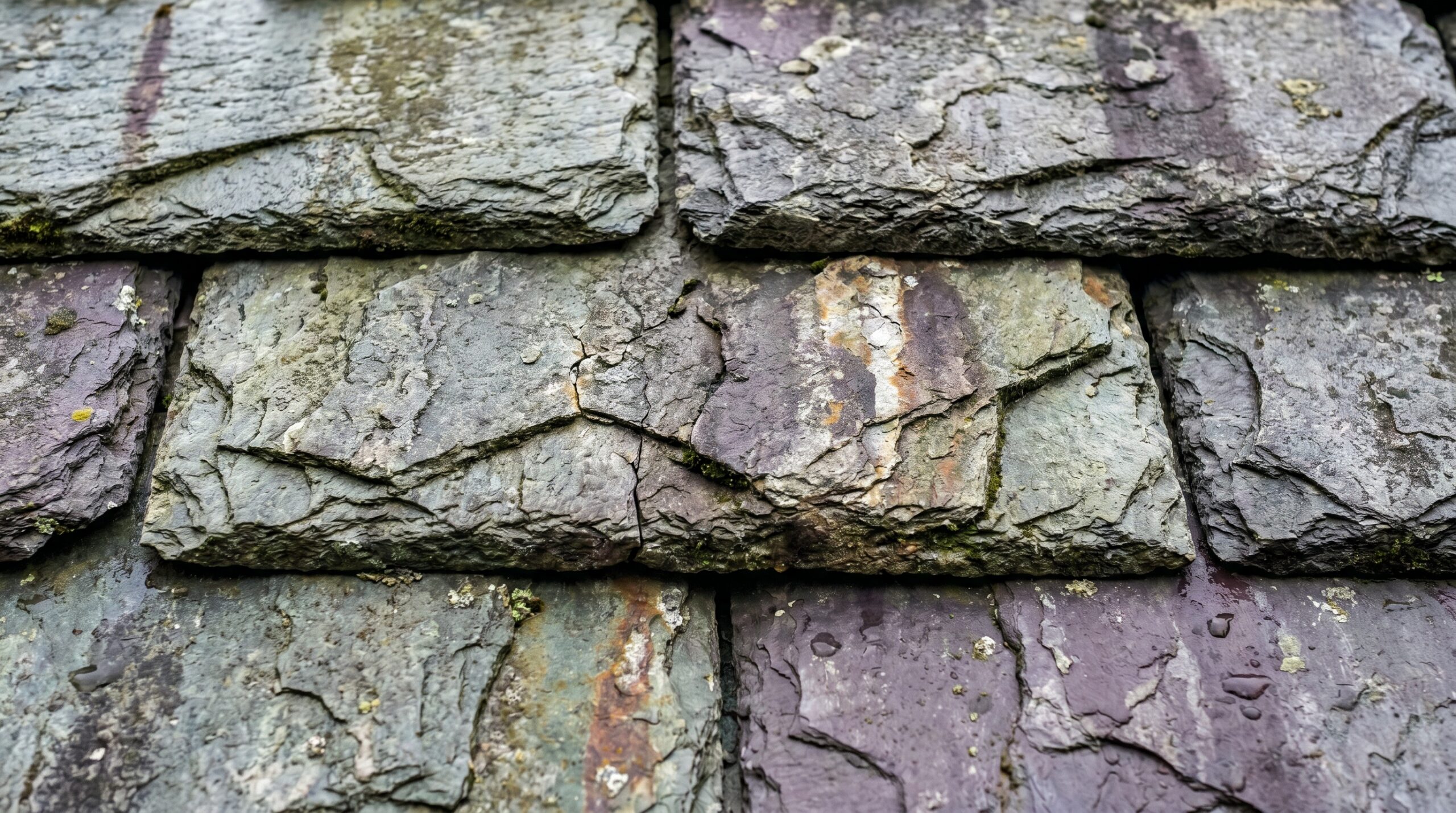
Slate tiles are cut from natural stone and represent the premium choice for homeowners who want a once-in-a-lifetime roof. These tiles are fire-resistant, impervious to rot, and can handle Northeast Ohio’s extreme weather conditions – from heavy snow loads to summer storms – without deteriorating.
Cost: $15-$30 per square foot installed
Warranty: None (natural material)
Best for: Historic homes in Cleveland and Rocky River, luxury properties, and homeowners planning to stay long-term
The main challenge with slate is weight. Your home’s structure may need reinforcement to support the load, which adds to installation costs. Slate tiles can also crack if walked on improperly, making repairs more complex and requiring experienced contractors familiar with this premium material.
Clay and concrete tiles (50-100 years)
Clay tiles perform exceptionally well in hot, dry climates and offer excellent insulation properties. Concrete tiles provide similar benefits at a lower cost while maintaining impressive durability. Both materials resist fire, insects, and rot. However, in Northeast Ohio’s freeze-thaw climate, these materials require careful consideration as temperature cycling can cause cracking over time.
Cost: $10-$18 per square foot installed
Warranty: Varies by manufacturer
Best for: Mediterranean-style homes, areas with intense sun exposure (less ideal for Cleveland’s climate)
Like slate, these tiles are heavy and may require structural reinforcement. They can crack from impact damage during storms, but individual tiles are easier to replace than slate.
Standing seam metal roofing (40-70 years)
Metal roofs excel in durability while remaining lightweight – a significant advantage for Northeast Ohio homes. They reflect heat effectively, reducing cooling costs, and handle snow loads, wind, and fire better than most alternatives. Standing seam systems allow for thermal expansion, preventing stress-related damage from Cleveland’s temperature swings.
Cost: $7-$14 per square foot installed
Warranty: 30-year paint warranty typical
Best for: Energy-conscious homeowners, fire-prone areas, snowy climates like Northeast Ohio
Maintenance tip: Metal roofs require minimal upkeep but benefit from annual inspections to check fasteners and sealants – especially important after Cleveland’s severe weather events.
The main drawbacks include potential noise during heavy rain and the possibility of oil canning (visible waviness in panels). However, proper installation by experienced contractors minimizes these issues.
Synthetic shingles (40-50 years)
Synthetic shingles combine recycled materials with polymers to create products that mimic slate or cedar shake appearance. They offer the aesthetic appeal of premium materials without the weight or maintenance requirements, making them well-suited for Northeast Ohio’s climate challenges.
Cost: $14-$20 per square foot installed
Warranty: Varies by manufacturer
Best for: Rocky River and Cleveland homeowners wanting premium looks with modern performance
These shingles resist cracking, fading, and impact damage better than their natural counterparts – important benefits when dealing with hail and storm debris common in our area. As a newer technology, long-term performance data is still being gathered, but early results are promising.
Cedar shake shingles (30-50 years)
Cedar shakes provide natural beauty and decent longevity when properly maintained. However, they work best in dry climates with low humidity – making them less ideal for Northeast Ohio’s humid summers and wet conditions.
Cost: $25-$30 per square foot installed
Warranty: None (natural material)
Best for: Rustic or traditional home styles in dry climates (limited application in Cleveland area)
Cedar requires annual maintenance including cleaning, treatment, and prompt replacement of damaged shakes. In Northeast Ohio’s humid climate, the lifespan drops significantly due to rot and mold issues, making this a less practical choice for local homeowners.
Architectural asphalt shingles (25-30 years)
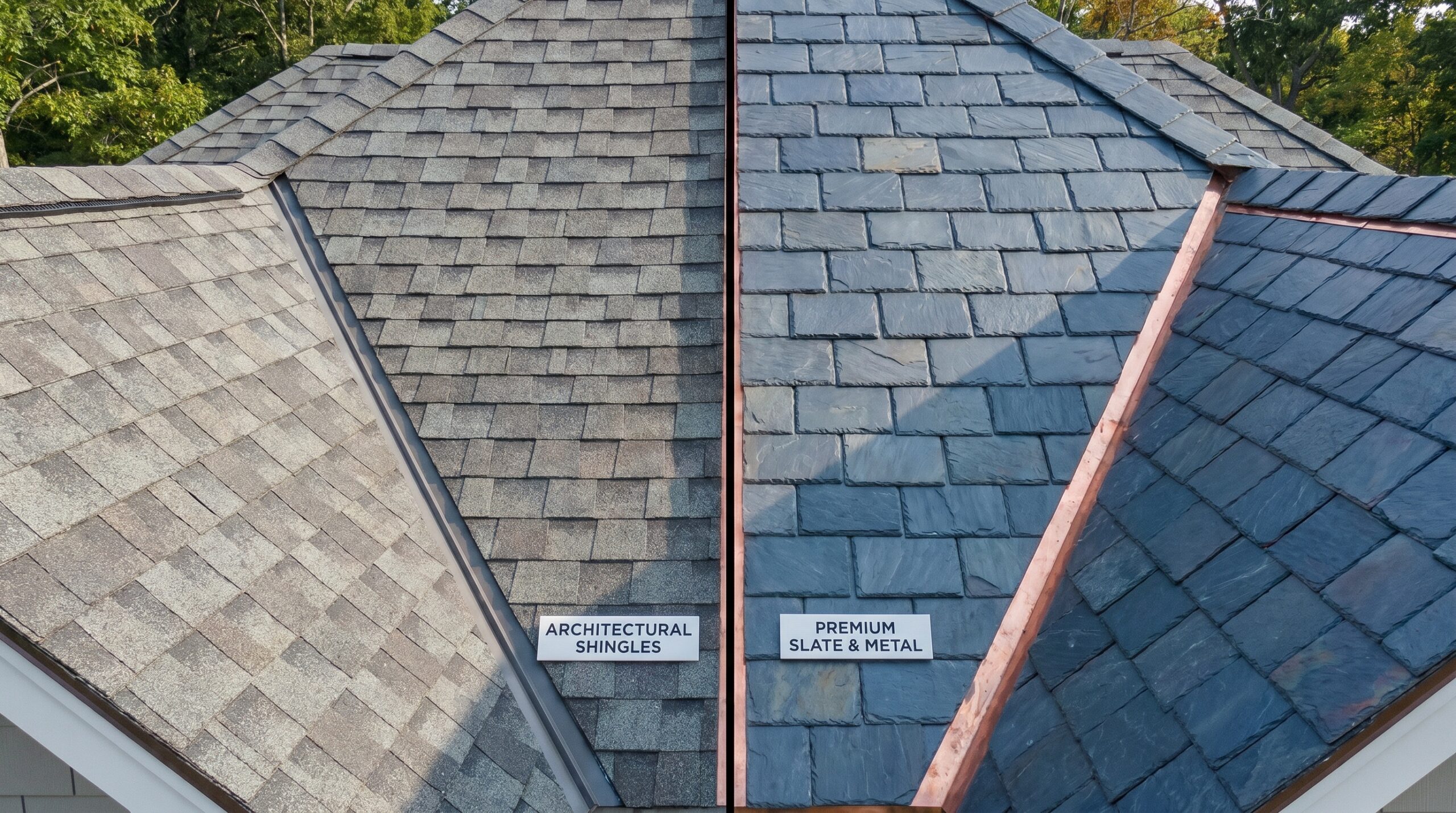
High-quality architectural shingles offer good longevity at a reasonable price point. They’re thicker and more wind-resistant than basic 3-tab shingles, with better curb appeal through dimensional layering – important for maintaining home values in Rocky River and Cleveland neighborhoods.
Cost: $3-$5 per square foot installed
Warranty: 30-year warranty typical
Best for: Budget-conscious Northeast Ohio homeowners seeking decent longevity
While not as durable as premium materials, quality architectural shingles provide solid performance for most residential applications in our climate. They require periodic maintenance and eventual replacement sooner than premium options, but remain the most popular choice for Cleveland-area homes.
Factors that affect roofing material lifespan
Several elements influence how long your roof actually lasts, regardless of the material you choose. Installation quality tops the list – even premium materials fail early with poor workmanship. This is why working with experienced local contractors who understand Northeast Ohio’s specific challenges is crucial.
Climate plays a major role in material performance. Northeast Ohio’s extreme temperature swings, high winds from lake effect weather, and heavy precipitation stress all roofing systems. Materials suited to our local conditions last longer and perform better than those designed for different climates.
Proper attic ventilation extends roof life by preventing heat and moisture buildup. Without adequate airflow, materials deteriorate faster, especially asphalt-based products – a particular concern in our humid summers.
Professional insight: Regular maintenance and prompt repairs can extend any roof’s lifespan by 20-30% beyond typical expectations, especially important given Northeast Ohio’s challenging weather patterns.
The direction your roof faces matters too. South-facing slopes receive more sun exposure, potentially shortening material life in hot climates while helping in cold regions like ours by melting snow faster and reducing ice dam formation.
Choosing the right long-lasting material for your Northeast Ohio home
Your decision should balance lifespan with practical considerations like budget, maintenance tolerance, and home style. If you plan to stay in your Cleveland or Rocky River home for decades, investing in slate or metal roofing makes financial sense despite higher upfront costs.
For homeowners prioritizing low maintenance, metal roofing and synthetic shingles require minimal ongoing care – particularly valuable given our area’s weather extremes. Clay tiles work well in hot climates but need more attention in areas with freeze-thaw cycles like Northeast Ohio.
Consider your home’s structural capacity before choosing heavy materials like slate or tile, as roof decking may need reinforcement. A structural engineer can assess whether reinforcement is needed, which affects your total project cost.
The longest-lasting roofing materials represent significant investments that pay dividends through decades of reliable protection. While slate offers unmatched longevity, metal roofing provides an excellent balance of durability, performance, and value for most Northeast Ohio residential applications. Choose based on your specific needs, our local climate conditions, and long-term plans rather than lifespan alone.