

A brand new roof should never leak under normal circumstances. When it does happen, the problem almost always stems from improper installation rather than defective materials. The most common culprits include faulty flashing around chimneys and vents, inadequate sealing at penetration points, and poor workmanship during the installation process.
If you’re dealing with a leaking new roof in Cleveland or Northeast Ohio, you need to act quickly to minimize damage and protect your warranty coverage. The first 24 to 72 hours are critical for both containing water damage and documenting the issue properly.
Quick fact: According to industry data from roofintulsa.com, the vast majority of new roof leaks stem from installation errors, not product defects, making workmanship warranties your primary protection.
Most common reasons your new roof is leaking
The reality is that even professionally installed roofing systems can develop leaks shortly after completion, but certain issues appear more frequently than others in Cleveland’s climate.
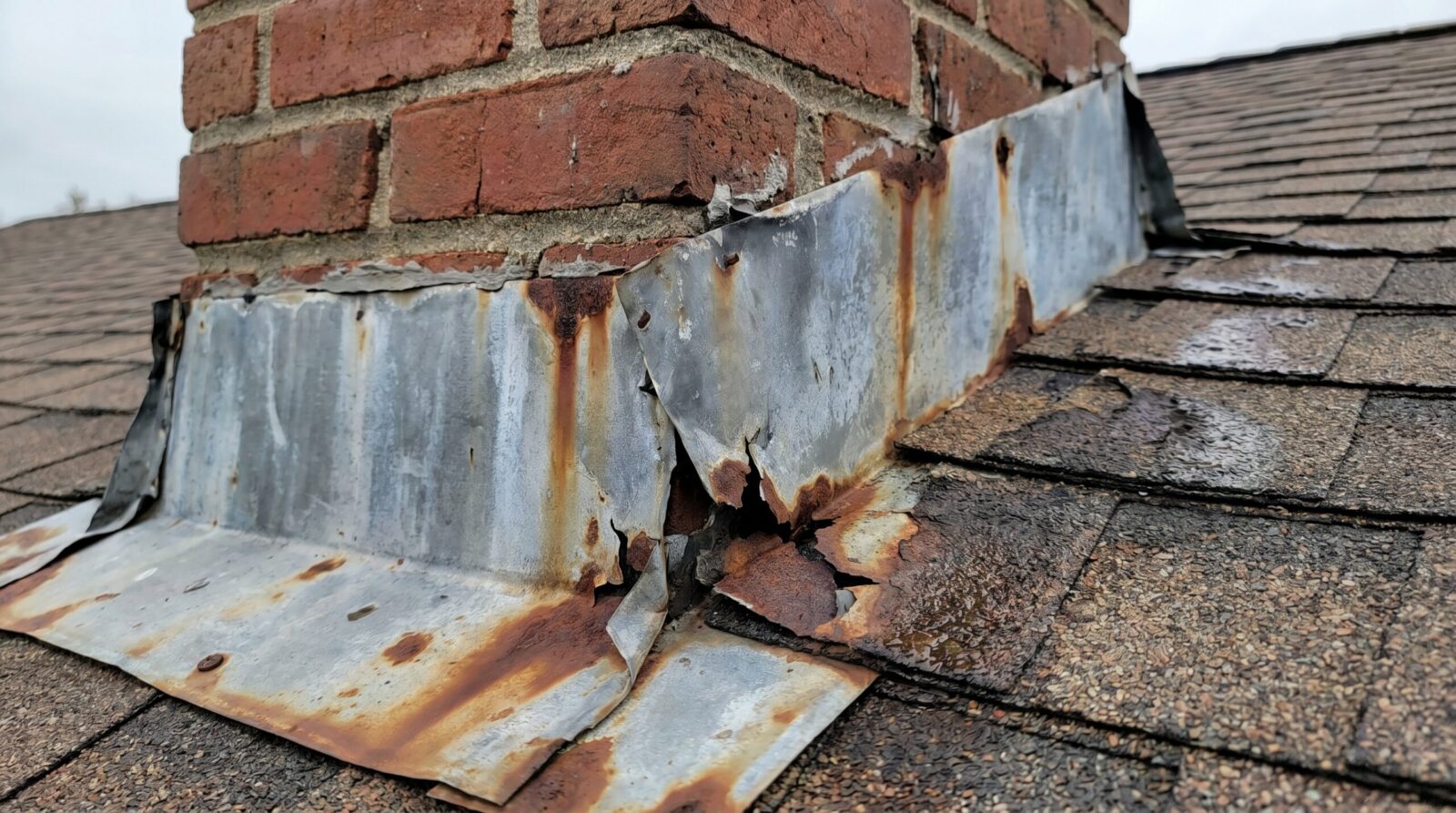
Flashing problems represent the number one cause of new roof failures. Flashing is the metal barrier that redirects water away from joints where your roof meets walls, chimneys, skylights, and vents. When flashing isn’t properly sealed, cut to the right size, or integrated correctly with surrounding materials, water finds its way through even small gaps. This is especially critical in Northeast Ohio, where frequent rain and snow cycles can quickly expose installation weaknesses.
Installation shortcuts create vulnerable points throughout your roofing system. These might include insufficient underlayment around penetrations, improper nail placement that doesn’t secure shingles properly, or reused flashing from your old roof instead of new materials. Even small oversights during installation can lead to significant water intrusion during Cleveland’s heavy rain events and winter storms.
Chimney-related issues frequently cause leaks in newly installed roofs, especially when the roofing contractor doesn’t address all chimney components during replacement. Problems can arise from deteriorated mortar joints, damaged chimney caps, or inadequate sealing where the chimney structure meets your new roofing materials. Many Cleveland-area homes have older chimneys that require special attention during roof replacement.
What to do immediately when you discover the leak
Time is your enemy when dealing with a roof leak. Water moves quickly through your home’s structure, potentially damaging insulation, electrical systems, and drywall within hours of the initial intrusion.
Contact your roofing contractor first. A reputable Cleveland roofing company will respond quickly to inspect the work and address any installation-related problems under their workmanship warranty. Document your initial contact attempt with date and time, as this information may be important for warranty claims. Local contractors who specialize in insurance restoration work understand the urgency and should prioritize leak response calls.
Contain the water damage while waiting for professional help. Place buckets or containers directly under any visible drips, and use tarps or plastic sheeting to protect furniture and belongings. If you have attic access, check for water accumulation there as well, since leaks often spread horizontally before becoming visible on your ceiling.
Document everything thoroughly with photos and detailed notes. Capture images of the leak location, any visible exterior damage, and interior water stains or damage. Include timestamps and weather conditions when possible, as this information helps contractors identify the source and supports warranty claims. This documentation is particularly important if you need to work with your insurance company for interior damage restoration.
Important: Never attempt DIY repairs on your new roof, as this can void your warranty coverage and potentially make the problem worse.
Understanding your warranty coverage and next steps
Roofing warranties typically include both material coverage from manufacturers and workmanship protection from your contractor, but understanding which applies to your situation determines your next steps.
Workmanship warranties should cover installation-related leaks at no cost to you, provided you’re dealing with a reputable contractor who stands behind their work. These warranties typically last between one and ten years, depending on your contractor and the specific terms of your agreement. Family-owned roofing companies in the Cleveland area often provide comprehensive workmanship warranties as part of their commitment to customer satisfaction.
Material warranties from manufacturers cover defects in the actual roofing products but rarely apply to new roof leaks, since manufacturing defects are uncommon in 2026. However, if your contractor determines that faulty materials caused the leak, this coverage can provide protection for replacement costs.
If your original contractor won’t respond or refuses to honor their warranty, bring in an independent licensed roofing contractor for a professional assessment. This creates documentation that can support complaints with state licensing boards or help with insurance claims if interior damage occurs. Look for contractors experienced in insurance restoration work, as they understand the documentation requirements for both warranty and insurance claims.
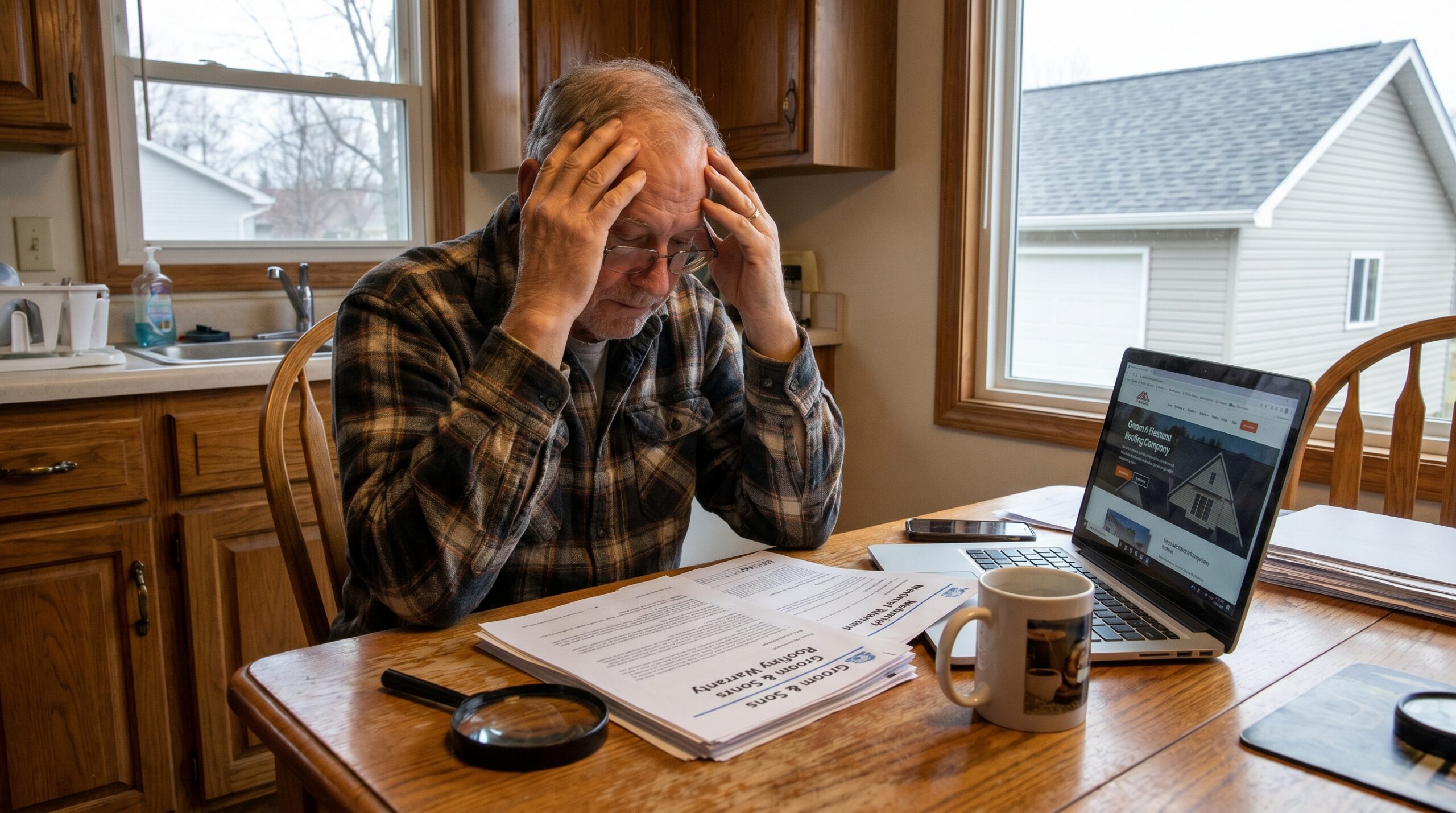
Pro tip: Keep all warranty paperwork, communication records, and repair documentation in one place, as you may need this information for future warranty claims or insurance purposes.
When extreme weather complicates new roof leaks
Even properly installed roofs can experience problems during severe weather conditions, though these situations require different responses than standard installation failures. Northeast Ohio’s weather patterns create unique challenges for roofing systems.
Wind-driven rain can force water into areas that would normally stay dry, especially on complex roof designs with multiple angles and penetration points. Ice dams during winter storms prevent normal drainage, causing water to back up under shingles and into your home’s interior. Cleveland’s freeze-thaw cycles can be particularly harsh on roofing systems, making proper installation techniques even more critical.
However, distinguishing between weather-related damage and installation problems requires professional assessment. A qualified inspector can determine whether your leak results from extreme conditions or underlying installation issues that made your roof vulnerable to normal weather patterns in the Cleveland area.
The key difference matters for warranty coverage and long-term solutions. Weather-related damage might require insurance claims, while installation problems should be addressed under your contractor’s workmanship warranty. Contractors who specialize in insurance restoration work can help navigate these distinctions and ensure you receive appropriate coverage.
Your new roof represents a significant investment in your home’s protection and value. When leaks develop shortly after installation, quick action protects both your property and your warranty rights. Most reputable Cleveland-area contractors will address installation-related problems promptly and at no cost, restoring the peace of mind that should come with a properly installed roofing system.