

When you’re facing a roof replacement decision, the choice between asphalt and synthetic shingles can feel overwhelming. You want a material that protects your home, looks great, and provides solid value for your investment. The good news is that both options have evolved significantly, offering homeowners better performance than ever before.
Quick Answer: Asphalt shingles typically last 15-30 years and cost less upfront, while synthetic shingles last 30-50 years with higher initial costs but potentially better long-term value.
Based on extensive industry research from americanwayexteriors.com and homegeniusexteriors.com, we’ll walk you through the key differences so you can make an informed choice that fits your specific situation and budget.
Understanding the fundamental differences
Asphalt shingles are made with a fiberglass mat core covered in asphalt and mineral granules. They’re the most common roofing material in America because they balance affordability with decent performance. Modern architectural asphalt shingles offer improved wind resistance and UV protection compared to older versions.
Synthetic shingles, also called composite shingles, are engineered from recycled polymers and rubber materials. According to americanwayexteriors.com, they’re designed to mimic premium materials like slate, cedar shake, or clay tile while providing superior durability and weather resistance.
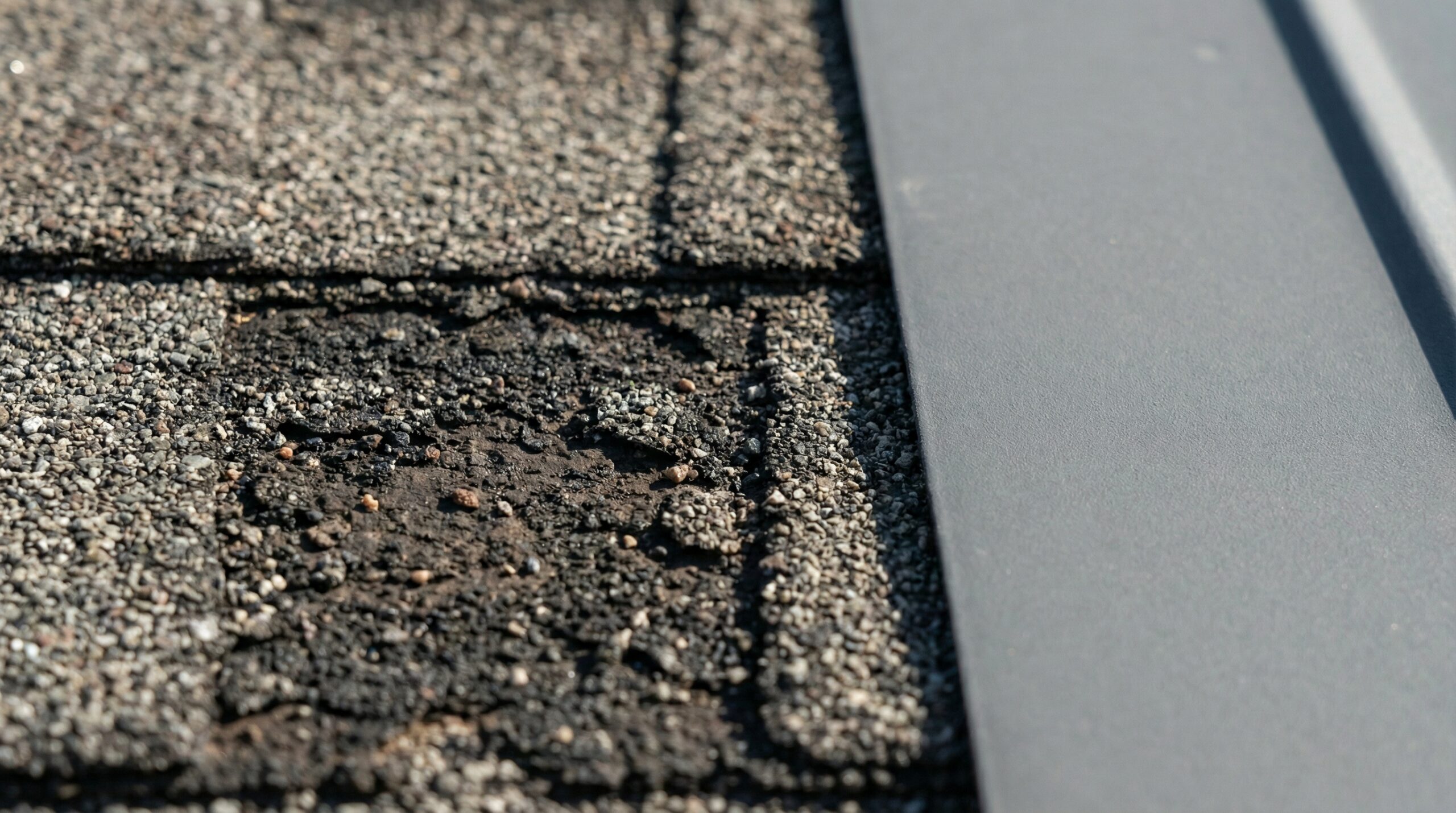
The manufacturing process makes a huge difference in performance. While asphalt shingles can lose granules over time due to weather exposure, synthetic shingles maintain their appearance and structural integrity much longer. For a deeper dive into how these materials compare, check out our comprehensive composite vs asphalt shingles comparison guide.
Cost comparison and long-term value
The upfront cost difference is significant. According to homegeniusexteriors.com, synthetic shingles cost 2-4 times more than asphalt shingles initially. For a typical home, you might pay $8,000-12,000 for quality asphalt shingles versus $16,000-30,000 for synthetic materials.
However, the math changes when you factor in lifespan. Research from dgroofingcontractor.com shows asphalt shingles lasting up to 30 years with proper maintenance, while synthetic shingles can last 30-50+ years.
| Material | Initial Cost | Lifespan | Cost Per Year |
|---|---|---|---|
| Asphalt | $8,000-12,000 | 15-30 years | $400-800 |
| Synthetic | $16,000-30,000 | 30-50+ years | $320-1,000 |
Value Insight: If you plan to stay in your home for 20+ years, synthetic shingles often provide better cost-per-year value despite higher upfront costs.
Understanding what should be included on a detailed roofing estimate can help you compare quotes accurately and make informed decisions about material costs.
Performance in different weather conditions
Weather resistance is where synthetic shingles really shine. According to happyroofing.com, synthetic materials resist wind speeds of 110-190 mph compared to asphalt’s typical 60-110 mph rating.
For areas prone to hail, synthetic shingles offer superior impact resistance. They don’t crack or split like asphalt shingles can, which means fewer insurance claims and repairs over time. The materials are also better at resisting algae growth and UV damage that can cause fading and deterioration. Learn more about impact-resistant roofing materials and how they protect your home.
Asphalt shingles perform well in moderate climates but can struggle with extreme temperature swings. They may curl, crack, or lose granules faster in harsh conditions. However, modern architectural asphalt shingles have improved significantly and work well for most homeowners when properly installed.
Maintenance requirements and appearance
Maintenance is where synthetic shingles really prove their worth. Research from americanwayexteriors.com shows they require minimal upkeep beyond occasional cleaning and inspection.
Asphalt shingles need more attention. You’ll want annual inspections to check for loose or damaged shingles, especially after storms. Granule loss is normal but accelerated loss can signal problems. Replacing individual damaged shingles is straightforward and affordable. Understanding all the parts of a roof helps you identify which components need attention during inspections.
From an appearance standpoint, synthetic shingles offer more realistic textures and colors that don’t fade as quickly. They can convincingly mimic slate, wood shake, or tile at a fraction of the weight and cost of natural materials. If you’re interested in authentic slate appearance, explore our guide on real slate vs synthetic slate roofs.
Maintenance Reality: Plan for periodic asphalt shingle repairs every 5-7 years, while synthetic shingles typically need minimal intervention for decades.
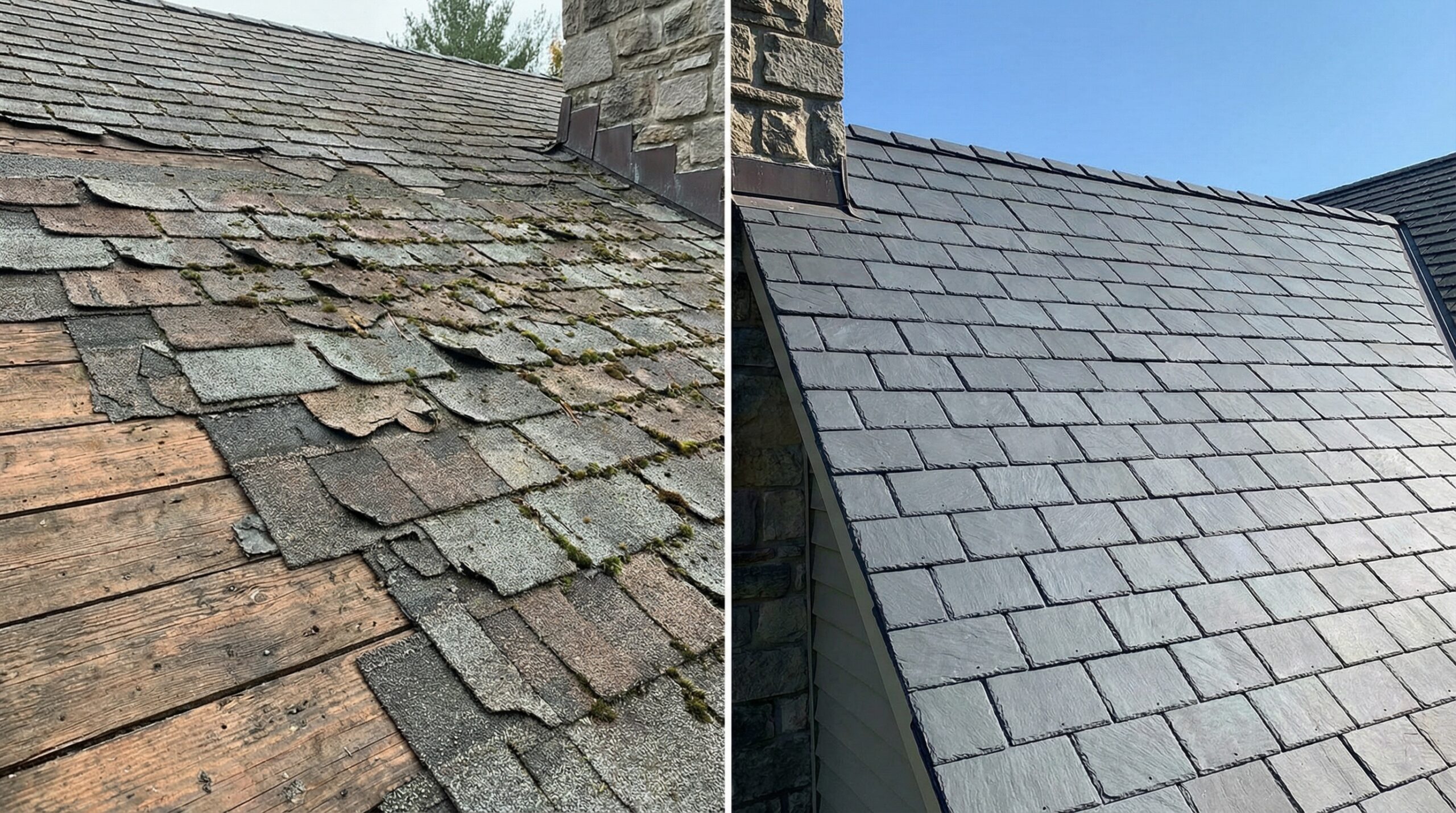
The choice between asphalt and synthetic shingles ultimately depends on your timeline, budget, and priorities. Asphalt shingles remain an excellent choice for homeowners seeking proven performance at an affordable price point. Synthetic shingles make sense when you want premium appearance, maximum durability, and are willing to invest more upfront for long-term value. To explore all your options, review our guide to the best roofing materials for durable roofs. Either way, proper installation and quality materials from Peak and Valley Roofing ensure you get the most from your investment.