

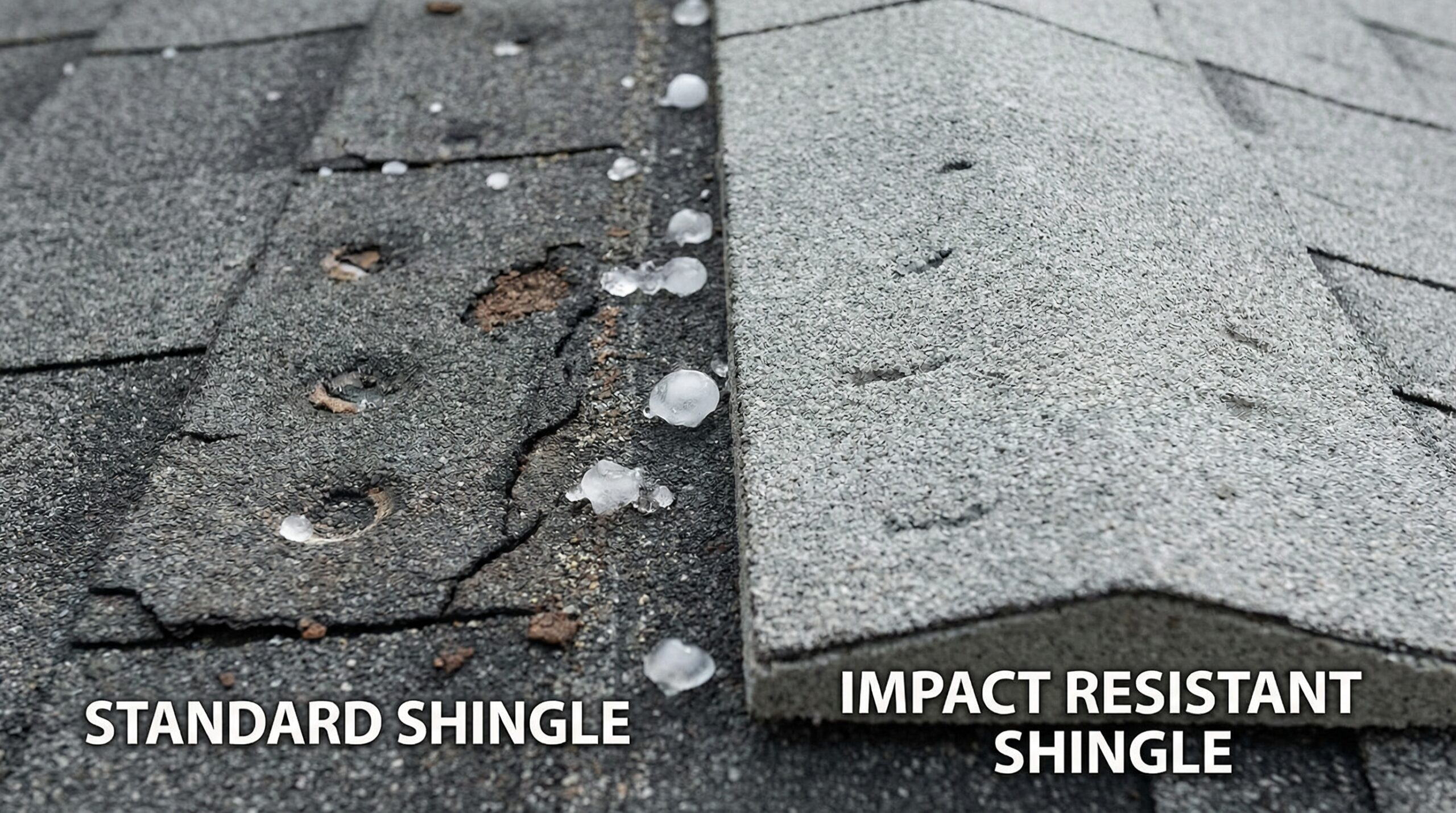
When severe weather strikes without warning, your roof becomes your home’s first line of defense. Impact resistant roofing materials are specially engineered to withstand hail damage, flying debris, and extreme weather conditions that would devastate standard roofing systems. These advanced materials use modified asphalt compounds, reinforced construction, and polymer-based additives that absorb impact energy rather than fracturing, providing superior protection for homes in storm-prone regions.
Understanding impact resistance ratings is crucial for making informed roofing decisions. The UL 2218 classification system rates materials from Class 1 to Class 4, with Class 4 offering the highest level of protection against hailstones up to 2 inches in diameter. Homeowners who invest in Class 4 rated materials often qualify for insurance premium discounts while gaining peace of mind during severe weather events.
Quick Fact: Class 4 impact resistant shingles can withstand steel ball impacts dropped from 20 feet at 34 mph, equivalent to golf ball-sized hail, without sustaining damage.
Understanding impact resistance ratings and testing standards
The roofing industry relies on the UL 2218 testing protocol to evaluate how well materials perform under simulated hail impacts. This standardized system drops steel balls of varying sizes from specific heights onto material samples, measuring their ability to resist cracking, tearing, or puncturing.
Each rating class represents a different level of protection. Class 1 materials handle impacts from 1.25-inch steel balls dropped from 12 feet, while Class 4 materials withstand 2-inch steel balls dropped from 20 feet. The testing replicates real-world hail conditions, giving you reliable data about material performance during actual storms.
Insurance companies recognize these ratings when calculating premiums and coverage options. Many providers offer substantial discounts for homes equipped with Class 4 rated systems, acknowledging their effectiveness in preventing costly hail damage claims.
Types of impact resistant roofing materials available
Modified asphalt shingles represent the most popular choice for impact resistance, incorporating SBS (styrene-butadiene-styrene) compounds that create flexibility under stress. These materials bend rather than break when struck, maintaining their protective seal even after repeated impacts. When comparing your options, understanding the differences between composite and asphalt shingles can help you select the best material for your specific climate and budget.
Metal roofing systems excel in durability and longevity, with properly installed steel or aluminum panels resisting denting from all but the largest hailstones. The multi-layer coating technologies protect against corrosion while maintaining aesthetic appeal for decades. For detailed pricing information, consult our comprehensive metal roofing cost guide to understand the investment required.
Synthetic composite materials bridge the gap between traditional appearance and modern protection. These products mimic the look of slate, wood, or tile while delivering Class 4 impact resistance through advanced polymer construction. To explore all available options, review our guide on the best roofing materials for durable roofs.
Pro Tip: Concrete and clay tiles offer excellent hail resistance but require structural reinforcement due to their weight, making them suitable for specific architectural styles and building types.
Installation requirements for maximum protection
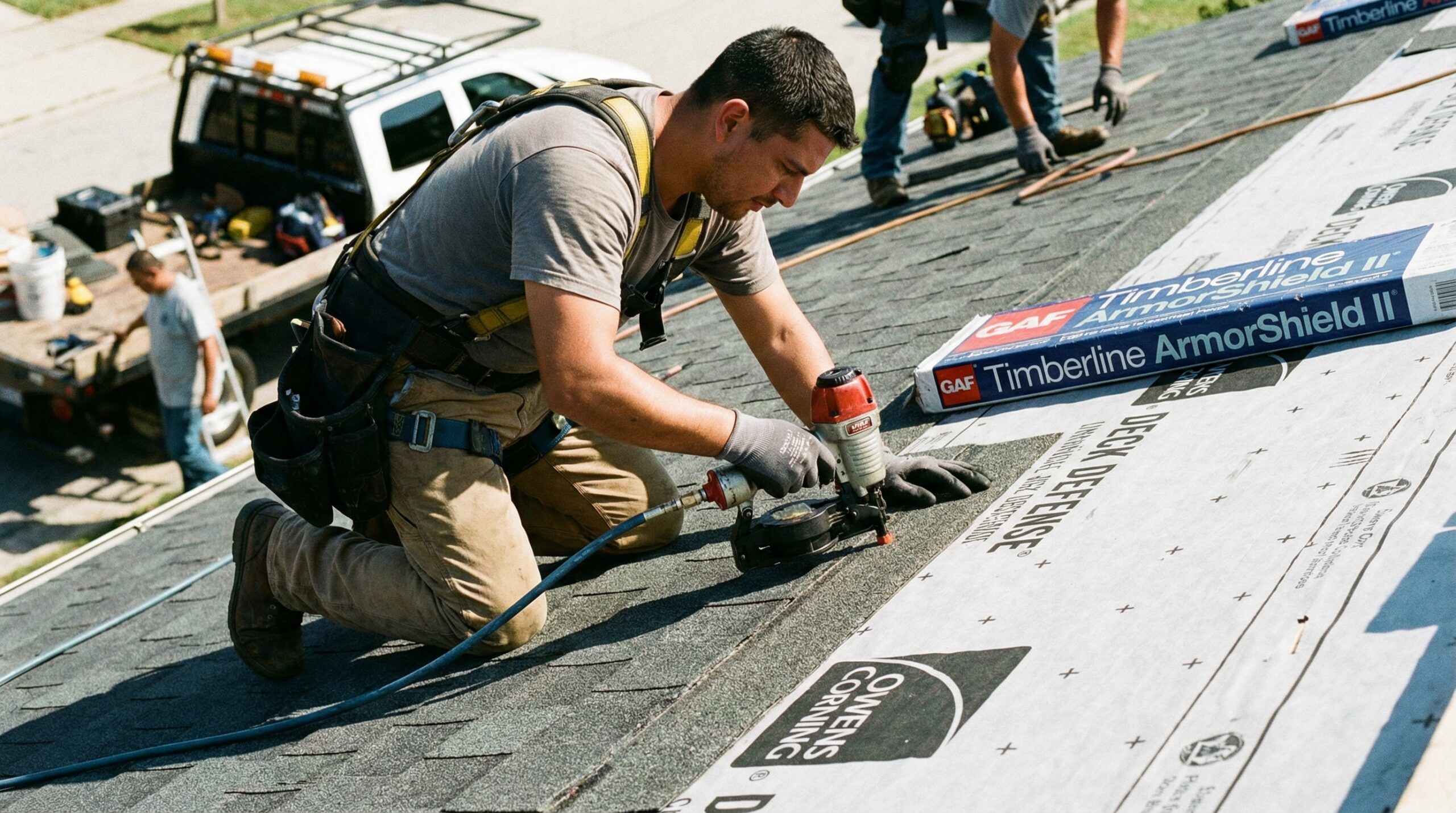
Proper installation techniques determine whether your impact resistant materials deliver their full protective potential. The underlayment system plays a critical role, with high-grade synthetic options providing an additional barrier against water infiltration if the primary surface sustains damage.
Nail placement requires precise positioning and depth to maintain wind resistance ratings and warranty coverage. Professional installers understand how each fastener contributes to the overall system integrity, ensuring your investment performs as designed during severe weather events. Understanding starter shingles and their proper installation is essential for creating a watertight seal at the roof’s edges.
Valley and ridge areas demand specialized attention since these vulnerable points experience concentrated water flow during storms. Proper flashing techniques and impact resistant accessories create seamless protection across your entire roof surface. Learn more about common roof valley problems to ensure these critical areas receive adequate protection.
Cost considerations and insurance benefits
The initial investment in impact resistant materials typically ranges 15-30% higher than standard options, reflecting advanced manufacturing processes and superior materials. However, this upfront cost often pays for itself through reduced maintenance expenses, fewer storm-related repairs, and extended material lifespan. When budgeting for your project, make sure you understand what should be on a detailed roofing estimate to avoid surprises.
Insurance premium discounts can offset much of the additional cost over time. Many major carriers offer reductions ranging from 10-35% for homes protected by Class 4 rated systems, recognizing their effectiveness in preventing claims and reducing payout frequency.
| Material Type | Class Rating | Typical Lifespan | Insurance Discount Potential |
|---|---|---|---|
| Standard Asphalt | Class 1-2 | 15-25 years | 0-5% |
| Impact Asphalt | Class 4 | 20-30 years | 10-20% |
| Metal Roofing | Class 4 | 40-70 years | 15-35% |
| Composite | Class 4 | 30-50 years | 10-25% |
Beyond immediate financial benefits, impact resistant roofing enhances property value and marketability. Prospective buyers increasingly value homes with proven storm protection, especially in regions where severe weather poses ongoing threats to property integrity. Understanding roof lifespan by material helps you make informed decisions about long-term value.
Money-Saving Insight: The combination of insurance discounts, reduced repair costs, and extended material life often results in net savings within 7-10 years of installation.
Investing in impact resistant roofing materials represents a proactive approach to home protection that delivers both immediate peace of mind and long-term financial benefits. By understanding rating systems, material options, and proper installation requirements, you can make informed decisions that protect your home and family while maximizing your investment value. Consider consulting with Peak and Valley Roofing professionals to evaluate your specific needs and explore the best impact resistant solutions for your home’s unique requirements.