

When you think about roof maintenance, shingles probably come to mind first. But there are two critical components hiding in plain sight that could save you thousands of dollars if properly maintained: your soffit and fascia. These seemingly simple trim pieces actually serve as your home’s first line of defense against water damage, pest intrusion, and energy loss.
Quick fact: Neglecting soffit and fascia maintenance can lead to structural damage costing homeowners an average of $3,000 to $8,000 in repairs, according to recent industry data.
At Peak and Valley Roofing, we’ve seen countless cases where small soffit and fascia issues snowballed into major structural problems. The good news? Most of these expensive repairs could have been prevented with early detection and proper maintenance. Let’s explore why these overlooked components deserve your immediate attention.
What soffit and fascia actually do for your home
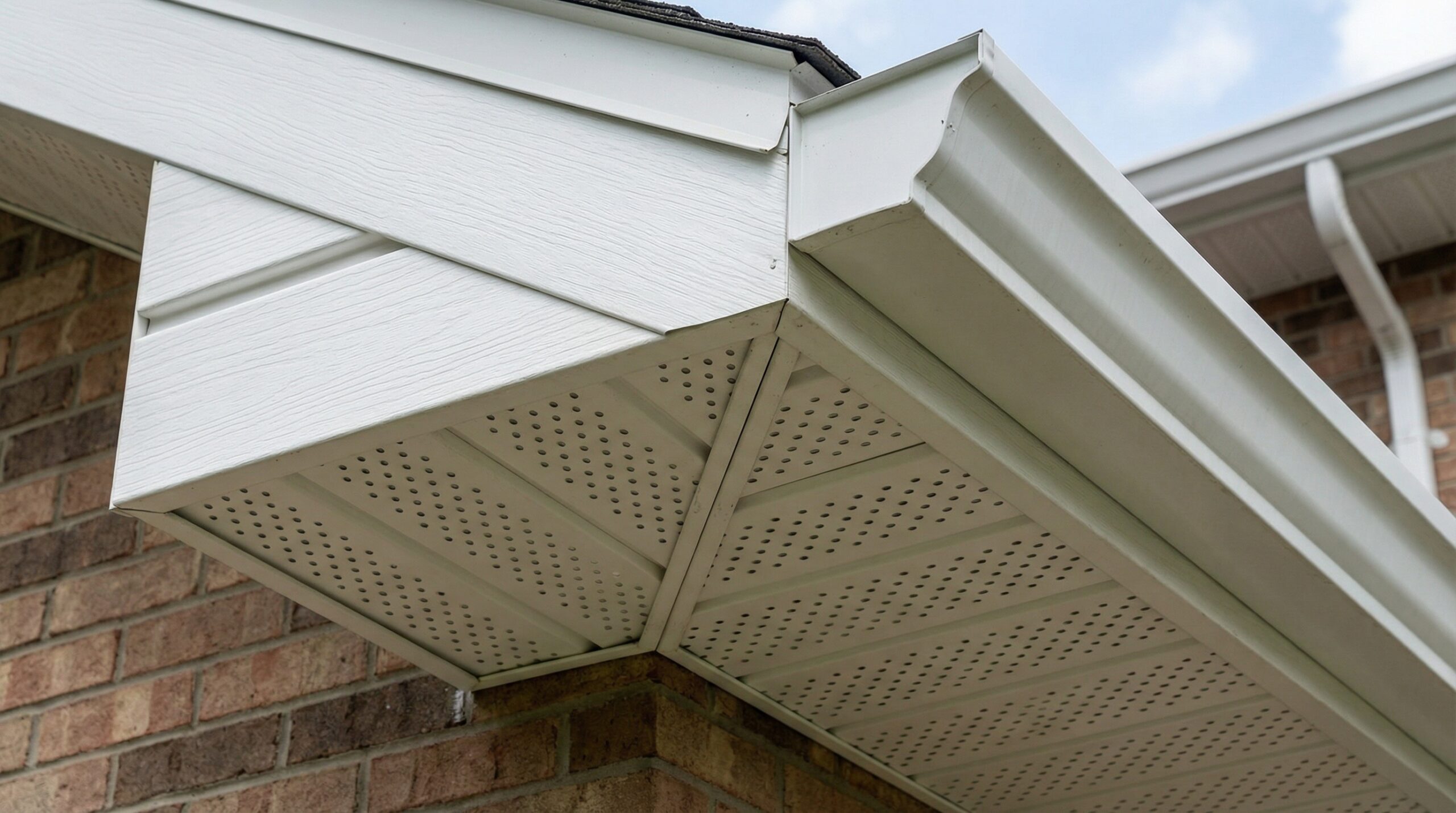
Your soffit is the horizontal surface underneath your roof’s overhang, while fascia is the vertical board running along your roof’s edge. Think of them as your roof’s protective barrier system. The soffit allows air to flow into your attic while keeping pests out, and the fascia supports your gutters while preventing water from seeping into your roof structure.
These components work together to create proper attic ventilation, which is crucial for preventing moisture buildup and maintaining energy efficiency. Understanding how proper roof ventilation works alongside soffit systems helps homeowners appreciate their critical role. When functioning correctly, they help regulate your home’s temperature and protect against the elements that could compromise your roof’s integrity.
Warning signs that demand immediate attention
Recognizing soffit and fascia problems early can prevent catastrophic damage. Based on our experience at Peak and Valley Roofing, here are the most critical warning signs homeowners should watch for.
Paint failure and visible damage often appears first. When you notice peeling, bubbling, or flaking paint on these surfaces, moisture has likely penetrated the material. This seemingly cosmetic issue actually signals that your protective barrier has been compromised.
Sagging or detached gutters indicate fascia board failure. Since fascia supports your entire gutter system, weakened boards can cause gutters to pull away from your home, leading to poor drainage and potential foundation problems. Like roof flashing, fascia plays a crucial role in directing water away from vulnerable areas.
Pest activity around your roofline suggests gaps or damage in your soffit system. Birds, bats, insects, and rodents exploit even small openings to access your attic space, where they can cause significant damage to insulation and wiring.
Important insight: Water stains on your exterior walls directly below the roofline often indicate fascia failure, which can lead to structural damage if not addressed within 6-12 months.
Material options and their performance differences
Modern soffit and fascia materials offer significant advantages over traditional wood options. Understanding these choices helps you make informed decisions about repairs or replacements, similar to choosing the best roofing materials for durable roofs.
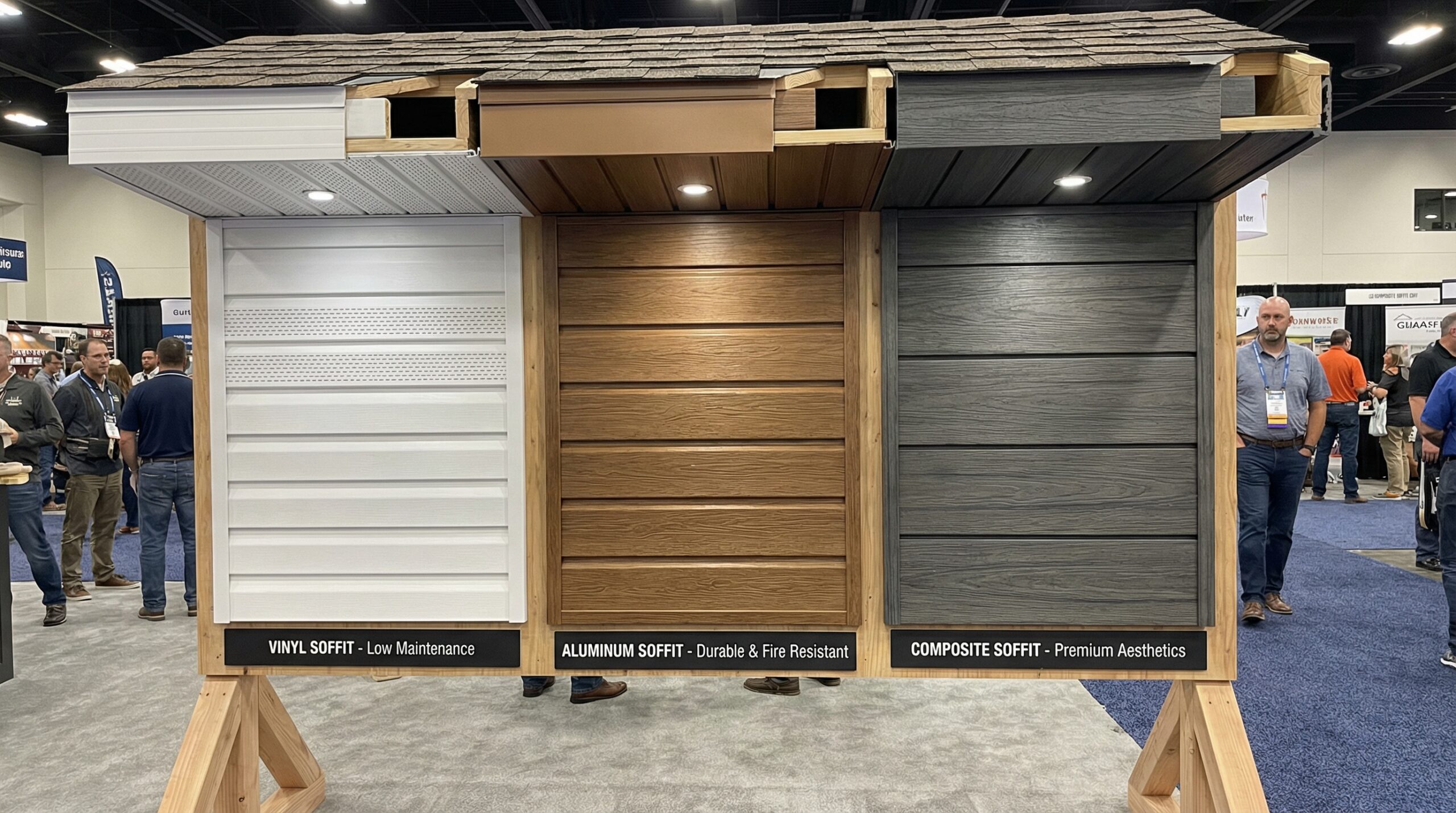
Vinyl systems provide excellent value with good moisture resistance and minimal maintenance requirements. They’re particularly suitable for most residential applications and offer consistent performance in various weather conditions.
Aluminum options excel in coastal environments where salt air can damage other materials. They resist corrosion better than steel and maintain their appearance longer than wood alternatives.
Composite materials combine the aesthetic appeal of wood with superior weather resistance. While more expensive initially, they often provide better long-term value through reduced maintenance needs and extended lifespan.
The key is matching material choice to your specific environment and maintenance preferences. Coastal homes benefit from aluminum or high-grade vinyl, while inland properties can often use standard vinyl or composite options effectively.
Prevention strategies that actually work
Effective soffit and fascia maintenance doesn’t require extensive technical knowledge, but it does need consistency. Regular inspection and prompt attention to small issues prevent major problems from developing.
Seasonal cleaning removes debris that can trap moisture and create pest entry points. Focus on clearing leaves, dirt, and other materials from soffit vents and fascia joints, especially after storms or during fall cleanup.
Annual professional inspections catch problems before they become visible to homeowners. Experienced contractors can identify early signs of moisture damage, structural weakness, or ventilation issues that might not be obvious from ground level. Understanding all the parts of a roof helps you communicate effectively with your roofing professional during inspections.
Prompt repair of minor damage prevents escalation into major structural problems. Small gaps, loose sections, or paint failure can often be addressed quickly and inexpensively when caught early. Just as drip edge installation protects your roof edges, properly maintained fascia boards protect your entire roofline structure.
Pro tip: Schedule soffit and fascia inspections during your annual gutter cleaning to maximize efficiency and catch problems when repair costs are still manageable.
The investment in proper soffit and fascia maintenance pays dividends through prevented damage, maintained energy efficiency, and preserved home value. These components might be out of sight, but they shouldn’t be out of mind when it comes to protecting your most significant investment.
At Peak and Valley Roofing, we understand that every component of your roofing system works together to protect your home. Don’t wait for visible damage to address soffit and fascia issues. Early intervention saves money and prevents the stress of dealing with major structural repairs down the road.