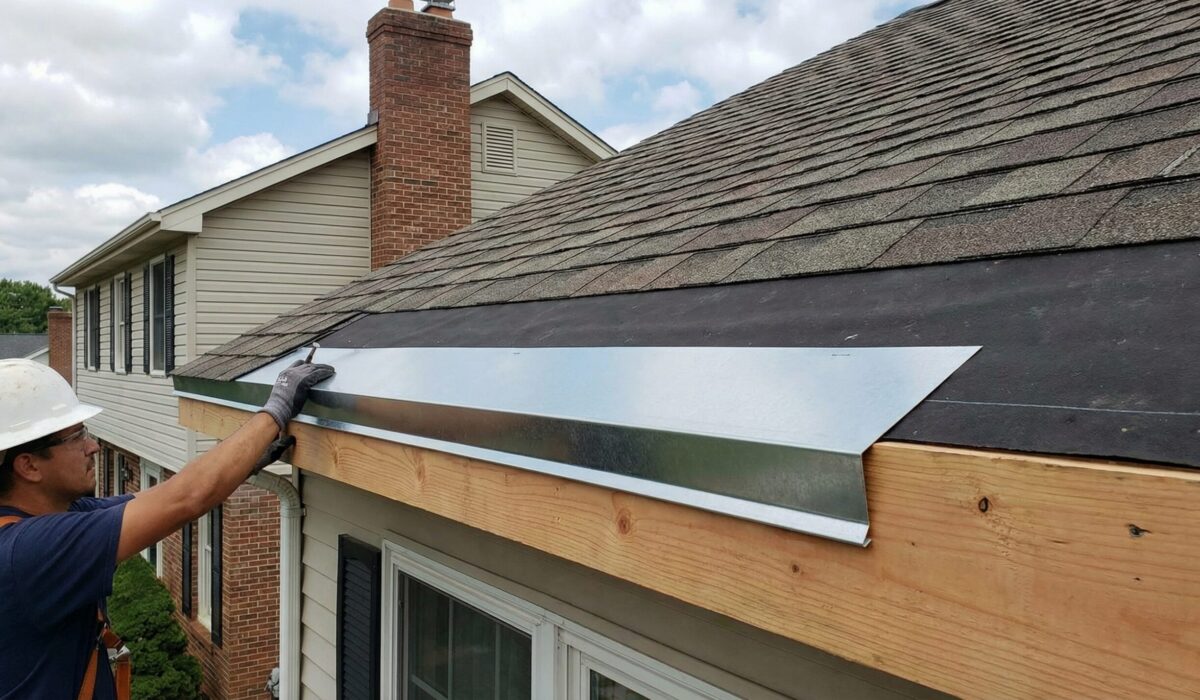
When you think about protecting your home from water damage, your mind probably goes to gutters or shingles. But there’s a small yet crucial component that often gets overlooked: drip edge. This simple metal strip plays a vital role in keeping water away from your roof’s vulnerable areas and preventing costly damage to your home’s structure.
A drip edge is a metal flashing installed along your roof’s edges that directs water away from the fascia board and into your gutters. Without it, water can seep under shingles, damage your roof deck, and cause expensive repairs. Most building codes now require drip edge installation on shingle roofs, making it both a practical necessity and a legal requirement for many homeowners.
Quick Fact: According to the elevatedroofing.com, drip edge is a small, cost-effective addition that provides long-term protection and value, with many building codes requiring it and most professionals recommending it even when not mandatory.
Understanding what drip edge does for your roof
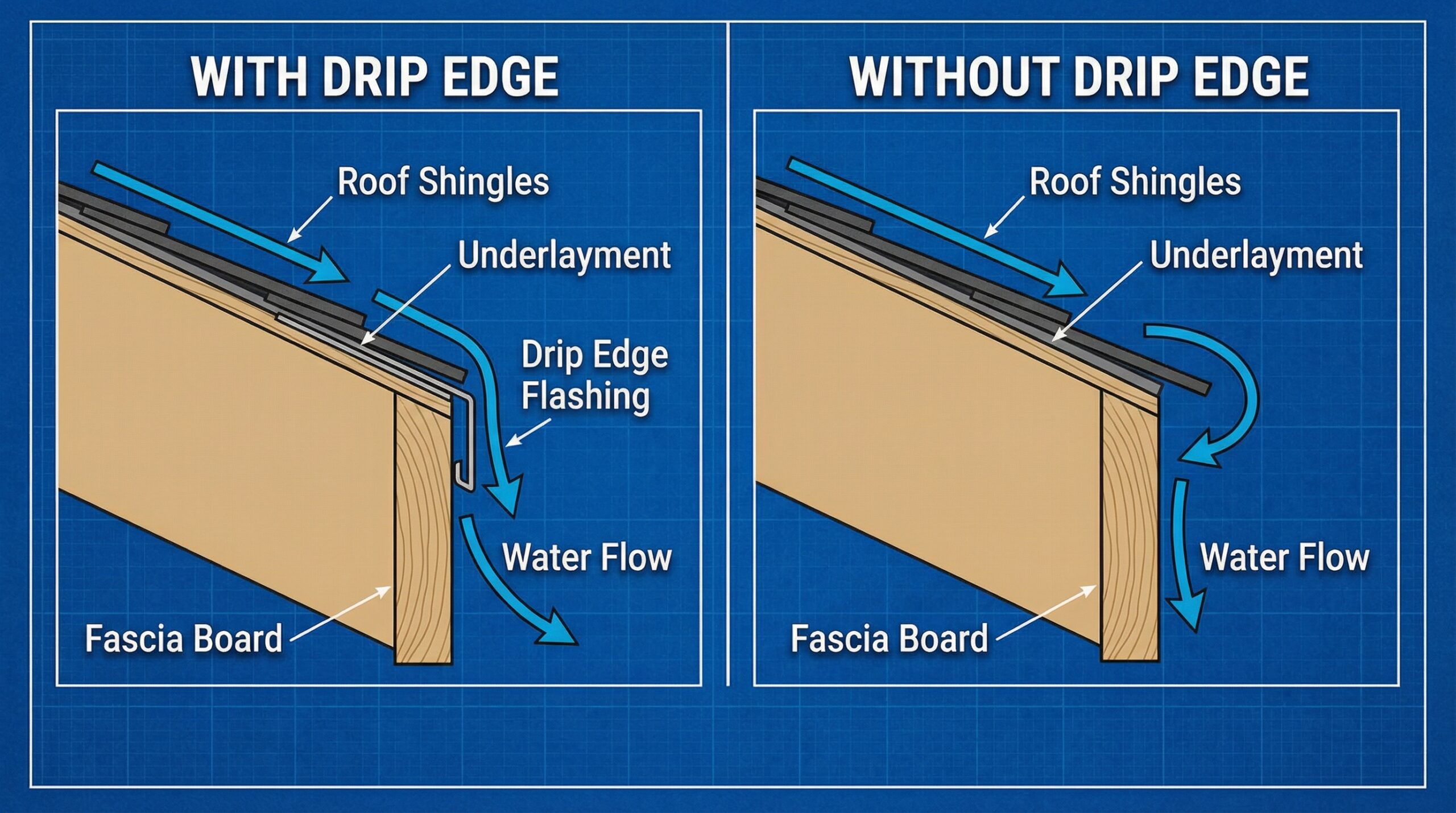
Think of drip edge as your roof’s first line of defense against water infiltration. When rain hits your roof, it naturally flows toward the edges. Without proper guidance, that water can work its way under your shingles or run directly onto the fascia board underneath.
The drip edge creates a physical barrier that breaks the surface tension of water, forcing it to drip cleanly away from your home rather than curling back underneath the roofing materials. This simple action prevents water from reaching vulnerable wooden components that can rot, warp, or develop mold when exposed to constant moisture.
Beyond water control, drip edge also helps seal gaps along your roof’s perimeter. These gaps can become entry points for small animals, insects, and wind-driven rain. By creating a tight seal, drip edge enhances your roof’s overall weather resistance and extends its lifespan significantly. Like other critical roof components including flashing and underlayment, drip edge works as part of an integrated water management system.
Different types of drip edge profiles and materials
Drip edge comes in three main profile types, each designed for specific situations and performance levels. Understanding these differences helps you choose the right option for your home.
Type C (L-Style) represents the most basic and affordable option. Bent at a simple 90-degree angle, it provides essential water direction but offers minimal overhang. This style works well for budget-conscious projects and low-profile roofs where wind-driven rain isn’t a major concern.
Type D (T-Style) offers superior water control with its T-shaped design that extends further over the gutter. The roofmaxx.com notes that this type provides better protection and is recommended by most roofing professionals for standard residential applications.
Type F features the longest leading edge, making it ideal for retrofit installations over existing shingles. This design allows contractors to install drip edge without removing current roofing materials, saving time and labor costs during roof maintenance projects.
Material Matters: Most drip edges are made from galvanized steel, aluminum, or copper. Aluminum offers the best balance of cost and durability for most homes, while copper provides premium longevity but comes with a higher price tag.
| Profile Type | Shape | Best Use | Cost Level |
|---|---|---|---|
| Type C (L-Style) | 90-degree angle | Basic protection, budget projects | Lowest |
| Type D (T-Style) | T-shaped with overhang | Standard residential roofs | Moderate |
| Type F | Extended leading edge | Retrofit installations | Higher |
Building code requirements and when drip edge is mandatory
The 2018 International Residential Code (IRC) Section R905.2.8.5 specifically requires drip edge installation at the eaves and rake edges of shingle roofs. This requirement has been adopted by most jurisdictions across the United States, making drip edge a legal necessity for new construction and many renovation projects.
According to the code, adjacent drip edge segments must overlap by at least two inches, and the vertical flange must extend at least a quarter-inch below the roof decking while extending up the roof slope by at least two inches. These specifications ensure proper water management and structural protection. Understanding what should be included in a detailed roofing estimate helps ensure your contractor includes proper drip edge installation.
However, there are exceptions to this requirement. Homes with prebent aluminum fascia typically don’t need additional drip edge, as the fascia itself provides adequate water direction. Some specialized rake moldings can also substitute for traditional drip edge in certain applications. The relationship between soffit and fascia systems and drip edge is crucial for comprehensive roof edge protection.
Signs your drip edge needs replacement
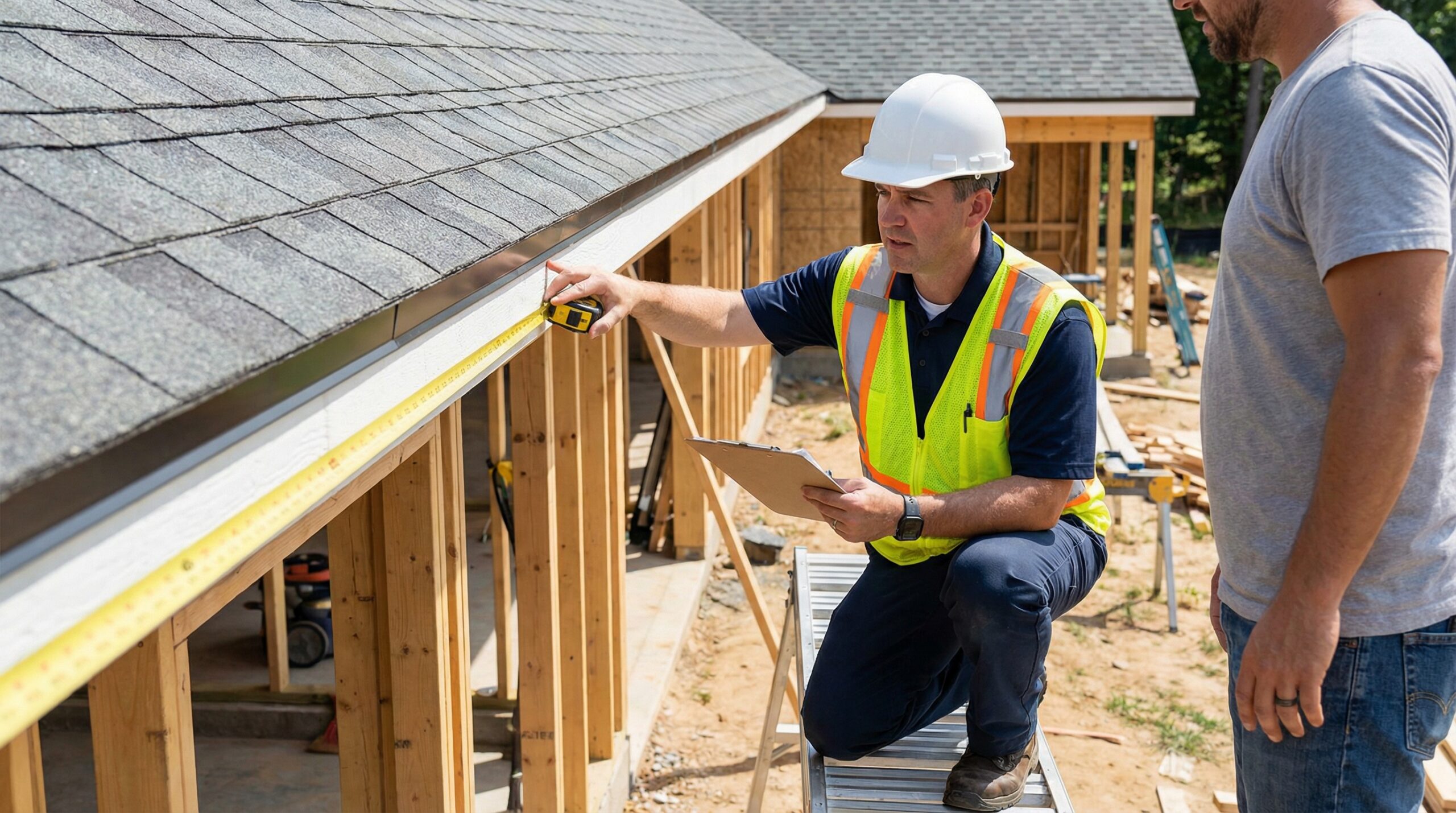
Even properly installed drip edge can deteriorate over time, especially in harsh weather conditions. Recognizing the warning signs early can prevent extensive water damage to your home’s structure.
Water staining or erosion on your home’s exterior walls often indicates drip edge failure. When you notice water running down the side of your house instead of into the gutters, it’s time to inspect your drip edge system. This problem typically worsens during heavy rain or wind-driven storms.
Fascia board damage represents another clear indicator of drip edge problems. Look for soft spots, discoloration, peeling paint, or visible mold growth on the fascia. Any holes or significant deterioration in this area requires immediate attention to prevent further structural damage.
Professional Tip: According to coldstreamexteriors.com, drip edges prevent water damage, strengthen your roof during high winds, seal gaps against pests, and extend your roof’s overall lifespan.
Interior ceiling stains or water damage can also trace back to compromised drip edge, though this symptom may indicate multiple roofing issues. If you notice water spots or discoloration on your ceiling near exterior walls, have a roofing professional inspect your entire edge protection system. Problems in roof valleys and other vulnerable areas often work in combination with drip edge failures to cause water intrusion.
Don’t wait for these problems to escalate. Regular roof inspections can catch drip edge issues before they lead to expensive repairs. Understanding the essential parts of your roof system helps you identify potential problem areas during routine maintenance. At Peak and Valley Roofing, we provide comprehensive roof inspections that include detailed drip edge assessments to keep your home protected year-round.
A properly functioning drip edge system is essential for maintaining your roof’s integrity and protecting your home’s value. Whether you’re building new, renovating, or simply maintaining your current roof, ensuring adequate drip edge protection should be a top priority. Contact Peak and Valley Roofing today for a free consultation to evaluate your roof’s edge protection and discuss any necessary improvements.