

Winter storms across Northeast Ohio bring more than just beautiful snow-covered landscapes. Many homeowners discover roof leaks days after the snow melts, when water finds its way into vulnerable areas of their roofing system. Understanding why these leaks occur and knowing what to do can save you thousands in water damage repairs.
Quick Fact: Most winter roof leaks in Rocky River happen 2-3 days after snowfall, when our brutal freeze-thaw cycles create ice dams and force water under shingles.
If you’re dealing with water stains on your ceiling or signs of moisture in your attic after recent lake-effect snowfall, this guide explains the common causes, warning signs to watch for, and the immediate steps you should take to protect your home.
Why snow creates roof leak problems in Northeast Ohio
Snow itself rarely causes roof leaks directly. The real problem starts when that snow begins to melt and refreeze in Northeast Ohio’s fluctuating winter temperatures.
Here’s what typically happens during our winter weather patterns. Heat escaping from your home warms the upper sections of your roof, melting snow from underneath. This melted water flows down toward the colder roof edges where it refreezes, creating ice barriers. When more snow melts, the water gets trapped behind these ice formations and has nowhere to go except under your shingles.
Rocky River homes face unique challenges during winter months. Our frequent temperature swings between freezing and thawing create perfect conditions for ice dam formation. Additionally, many older homes in our area were built before modern insulation standards, allowing more heat to escape through the roof and accelerating this problematic cycle.
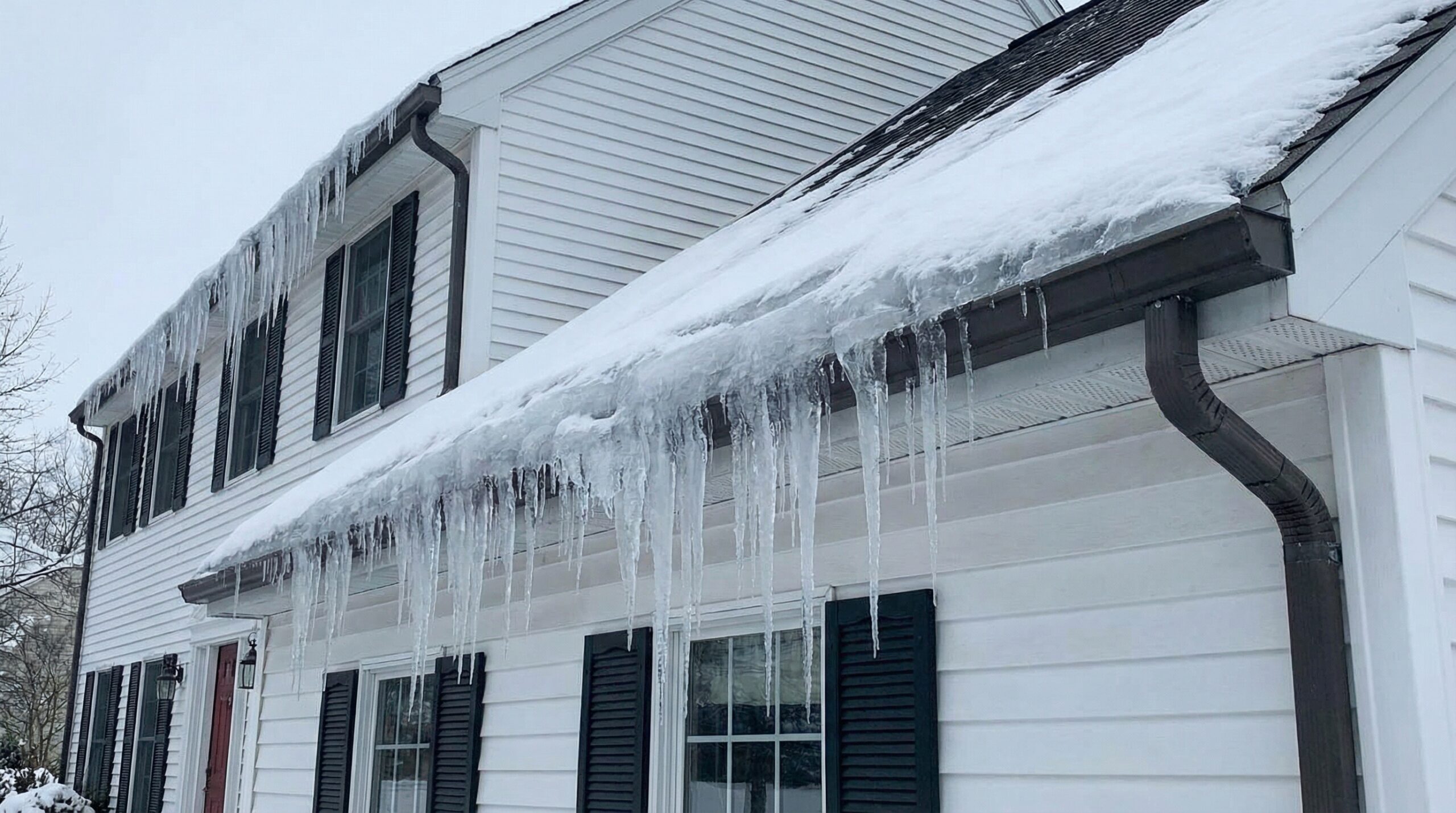
The weight factor also plays a role. Heavy, wet lake-effect snow can stress aging roofing materials, especially when combined with ice accumulation. Even small existing vulnerabilities in your roof become major entry points for water when these conditions align.
Recognizing the warning signs early
Spotting roof leak symptoms early can prevent minor issues from becoming major home repairs. Water damage often starts small and spreads quickly through insulation, ceiling materials, and wall structures.
Watch for water stains appearing on your ceilings or walls, particularly near exterior walls or in upper-level rooms. These stains might start as small discolored spots but can expand rapidly if the leak continues. You might also notice paint peeling or bubbling on walls and ceilings where moisture has penetrated.
Important: Even small water stains can indicate significant moisture intrusion behind your walls and ceiling materials.
Check your attic regularly during and after winter storms. Damp or wet insulation is a clear sign that water is entering your roofing system. You might also detect musty odors, which often indicate mold or mildew growth in areas where moisture has accumulated.
Don’t ignore dripping sounds during cold weather, even if you can’t immediately locate the source. Water can travel along roof decking and framing before becoming visible, so the actual leak location might be far from where you notice the symptoms.
Immediate steps when you discover a leak
When you find signs of a roof leak during winter weather, quick action helps minimize damage while keeping you safe. Your first priority should be containing any active water intrusion inside your home.
Place buckets, tarps, or towels under any visible dripping to protect your floors and furniture. Move valuable items away from affected areas and try to dry wet surfaces as much as possible to prevent mold growth. Document the damage with photos for potential insurance claims.
Avoid climbing onto your roof during winter conditions. Icy surfaces create serious safety hazards, and temporary fixes from the outside are often ineffective in freezing weather. Instead, focus on managing the situation from inside your home until professional help can assess the problem safely.
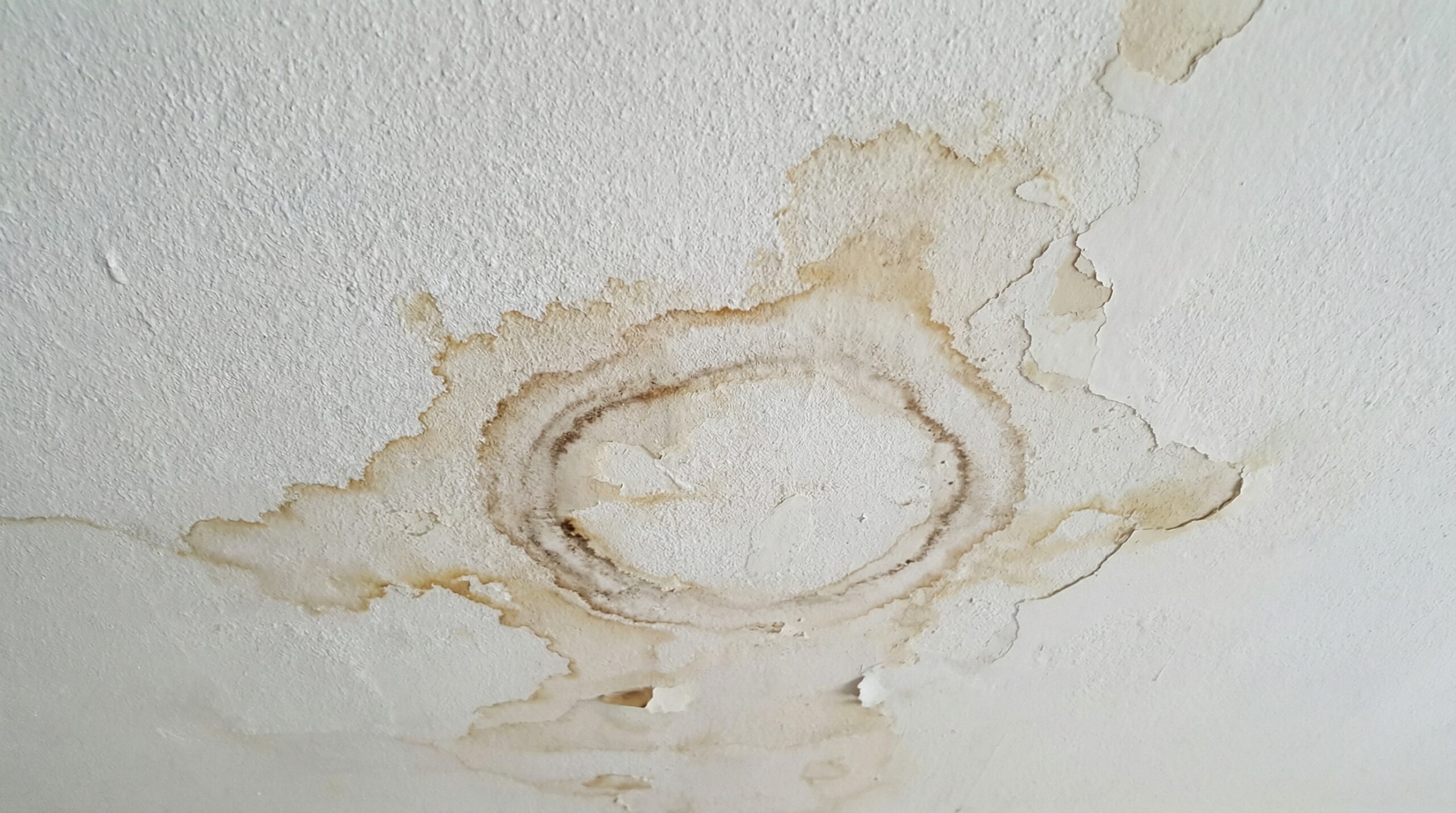
Monitor the affected areas closely for spreading stains or additional dripping. Mark the edges of water stains with a pencil so you can track whether the problem is getting worse. This information helps roofing professionals understand the scope of the issue when they arrive.
Turn off electricity to any fixtures or outlets near water intrusion areas. Water and electricity create dangerous situations, so it’s better to lose some lighting temporarily than risk electrical hazards.
When professional help becomes necessary
Certain situations require immediate professional attention, even during winter weather. Understanding these triggers helps you make informed decisions about when to call for emergency roofing services.
Contact a roofing professional if water stains continue spreading despite your containment efforts. This usually indicates an ongoing leak that won’t resolve on its own. Also call for help if you notice sagging ceiling materials, which can indicate structural damage from prolonged water exposure.
Multiple leak locations or widespread water damage typically signal common types of roof damage beyond simple temporary fixes. These situations often require comprehensive assessment and repair work that only experienced professionals can handle safely and effectively.
| Situation | Action Needed | Urgency Level |
|---|---|---|
| Small water stain, not spreading | Monitor and contain | Low |
| Active dripping, expanding stains | Professional assessment | Medium |
| Sagging ceiling, multiple leaks | Emergency service | High |
Consider the age and condition of your roof when making these decisions. Older roofing systems or homes with previous repair work may need professional evaluation even for seemingly minor leaks. What appears small on the surface might indicate larger underlying issues, especially in historic homes that require specialized attention.
Insurance considerations also factor into timing. Many homeowners insurance policies cover sudden weather-related damage but may not cover problems that develop from long-term neglect. Prompt professional documentation can support insurance claims if needed.
Pro Tip: Schedule a professional inspection even after temporary repairs to ensure no hidden damage remains that could cause problems later.
Winter roof leaks in Northeast Ohio require prompt attention and careful handling. While immediate containment steps help protect your home, understanding when to seek professional help ensures both your safety and your property’s long-term protection. Remember that what seems like a minor leak during winter can quickly become a major problem if left unaddressed.
Taking these steps seriously now can save you from extensive repairs and help maintain your home’s value through the challenging winter months ahead. Once spring arrives, consider scheduling post-winter roof and gutter maintenance to address any damage that occurred during the cold season and prepare your roofing system for the year ahead. Additionally, understanding the risks of delaying winter roof damage repairs can help you make informed decisions about timing your repairs.